In a world where heavy-duty trucks keep our economy moving, having the right diagnostic tools is more crucial than ever. For mechanics, understanding these tools can lead to significant improvements in efficiency and service quality.
What You Will Learn
Heavy-duty truck diagnostic tools enable quick and accurate identification of vehicle issues.
Familiarity with diagnostic protocols like J1939 and J1708 enhances repair efficiency.
Understanding local market challenges ensures compliance with regulations and specific truck needs.
Investing in the right tools leads to reduced downtime and improved service reliability.
Key Diagnostic Tool Features & Australian Truck Brand Needs
This visual summarizes the essential features of heavy-duty truck diagnostic tools and the specific diagnostic needs for common Australian truck brands.
•J1939/J1708 Protocols: Data transmission between ECUs.
•CAN Bus Systems: Internal truck communication & data extraction.
Australian Truck Brands & Diagnostic Needs
•Cummins: Specialized software for robust engines.
•Scania: Advanced tools for electrical & computer systems.
•Kenworth: Crucial for regular diagnostic tool updates.
•Regulatory Compliance: Tools help meet local emission standards.
•Brand-Specific Issues: Varying needs based on manufacturers.
Understanding Heavy-Duty Truck Diagnostic Tools for Australian Mechanics
As a seasoned diesel mechanic myself, I know how essential heavy-duty truck diagnostic tools are in the industry. These tools serve as the eyes and ears for mechanics, allowing us to identify issues quickly and accurately. In this section, we'll dive deep into what these diagnostic tools are and why they are crucial for maintaining the massive trucks that keep our roads moving.
What Are Heavy-Duty Truck Diagnostic Tools?
Overview of Diagnostic Tools in the Trucking Industry
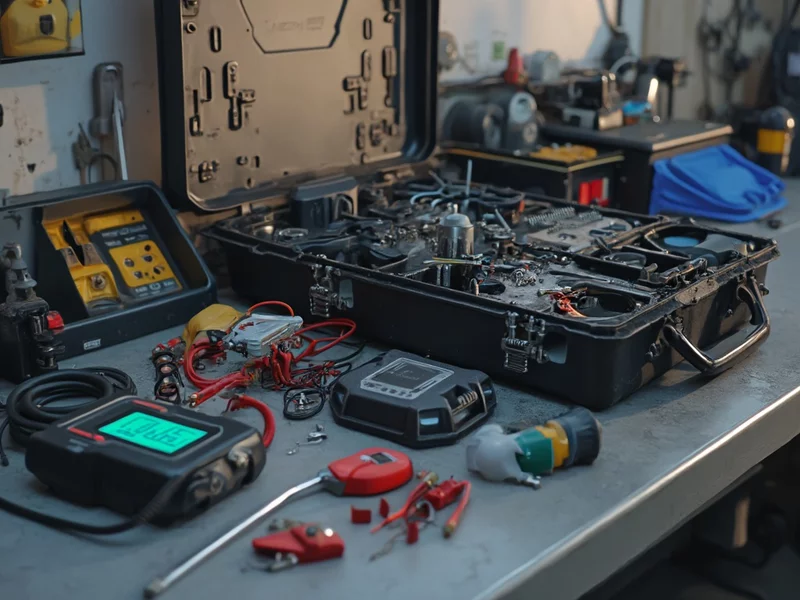
Heavy-duty truck diagnostic tools are specialized devices designed to communicate with a truck’s onboard computer systems. They help in diagnosing issues, reading fault codes, and facilitating repairs. These tools have evolved over the years, becoming more sophisticated with advancements in technology.
OBD-II Scanners: Used for reading trouble codes and monitoring vehicle performance.
TPMS Tools: Essential for checking tire pressure monitoring systems.
Emission Testers: Critical for ensuring compliance with environmental regulations.
Understanding these tools is vital, especially when tackling complex issues that can arise in heavy-duty vehicles. They not only save time but also enhance the accuracy of repairs, ultimately leading to safer roads.
Importance of Diagnostic Tools for Mechanics
For mechanics, having access to reliable diagnostic tools is like having a trusty toolbox. They not only streamline the troubleshooting process but also help reduce the risk of costly mistakes. Quick access to data allows for better decision-making during repairs, ensuring that trucks get back on the road sooner.
Furthermore, the ability to interpret diagnostic data can help mechanics identify preventative maintenance needs, minimizing downtime for truck operators. This is something we at TorqueNest emphasize continuously — the more knowledge we have, the better we serve our trucking community.
The Role of Diagnostic Tools in Australian Mechanics
Local Market Challenges and Opportunities
In Australia, the trucking industry faces unique challenges, such as varying regulations and diverse vehicle types. Diagnostic tools are essential for overcoming these hurdles, allowing mechanics to work effectively with local truck models. This is where knowing the market becomes crucial.
Regulatory Compliance: Tools help ensure trucks meet local emission standards. For instance, the California Air Resources Board (CARB) provides guidelines for emissions, which often influence global regulatory practices for heavy-duty vehicles.
Brand-Specific Issues: Different trucks may have specific diagnostic needs based on their manufacturers.
Industry Trends: Staying updated with the latest technological advancements can help mechanics remain competitive. You can learn more about commercial vehicle diagnostic market trends to stay informed.
These challenges also present opportunities for mechanics who invest in quality diagnostic equipment. By leveraging these tools, we can not only enhance our skills but also provide better service to our clients.
Common Australian Truck Brands and Their Diagnostic Needs
Australia boasts a variety of truck brands, each with its own set of diagnostic requirements. Understanding these needs can enhance our effectiveness as mechanics. Some common brands include:
Cummins: Known for their robust engines, requiring specialized software for diagnostics.
Scania: Often needs advanced tools for their electrical systems and onboard computers.
Kenworth: Regular updates for their diagnostic tools are crucial for optimal performance.
By familiarizing ourselves with these brands and their diagnostic needs, we can ensure that we're prepared to handle any situation that comes our way.
Key Diagnostic Protocols and Standards
Understanding J1939 and J1708 Protocols
The J1939 and J1708 protocols are essential for anyone working with heavy-duty trucks. These protocols define how data is transmitted between a truck's electronic control units. Understanding these can make a massive difference when diagnosing issues.
J1939: Typically used for more modern vehicles, offering higher data rates and more advanced diagnostic capabilities.
J1708: An older standard, still relevant for many existing trucks but offers lower data rates.
Grasping these protocols allows mechanics to quickly pinpoint issues, ensuring a more efficient repair process. For a deeper dive into these standards, resources like the Congressional Research Service report on vehicle emissions standards often touch upon the regulatory context for such protocols.
Importance of CAN Bus Systems in Heavy-Duty Diagnostics
CAN Bus systems play a critical role in how trucks communicate internally. They manage everything from engine performance to safety features. Understanding how to navigate these systems can provide invaluable insights when diagnosing faults.
An efficient diagnostic tool will optimize communication through the CAN Bus, allowing mechanics to extract data and address issues rapidly. This proficiency not only enhances our skills but also elevates the service we provide to our clients.
Pro Tip
To maximize the effectiveness of your heavy-duty truck diagnostic tools, consider investing in ongoing training. Regularly updating your skills on the latest diagnostic functions can significantly enhance your troubleshooting capabilities and ensure that you remain competitive in the ever-evolving trucking industry.
Frequently Asked Questions (FAQs) about Heavy-Duty Truck Diagnostic Tools
What are heavy-duty truck diagnostic tools?
Heavy-duty truck diagnostic tools are specialized devices that communicate with a truck's onboard computer systems to diagnose issues, read fault codes, and facilitate repairs. They range from OBD-II scanners to advanced emission testers.
Why are diagnostic tools important for Australian mechanics?
For Australian mechanics, diagnostic tools are crucial for quickly and accurately identifying vehicle issues, streamlining troubleshooting, and ensuring compliance with local regulations. They help reduce downtime and enhance the accuracy of repairs, which is vital given the unique challenges of the Australian trucking industry.
What are J1939 and J1708 protocols?
J1939 and J1708 are communication protocols that define how data is transmitted between a truck's electronic control units (ECUs). J1939 is a modern standard with higher data rates, while J1708 is an older standard still relevant for many existing trucks.
How do diagnostic tools help with regulatory compliance in Australia?
Diagnostic tools, especially emission testers, are essential for ensuring that heavy-duty trucks meet local emission standards and other regulatory requirements in Australia. This helps mechanics maintain compliance and avoid penalties.
What are some common heavy-duty truck diagnostic tools?
Common diagnostic tools include OBD-II scanners for reading trouble codes, TPMS tools for tire pressure monitoring systems, and emission testers for environmental compliance. Specialized tools like the Foxwell HD500, iCarsoft HD V3, Launch X431, Autel MaxiSys, and Jaltest are also popular for comprehensive diagnostics.
Final Thoughts on Heavy-Duty Truck Diagnostic Tools
As we wrap up our discussion on heavy-duty truck diagnostic tools, it’s essential to highlight the key features that can make or break your investment. These tools are not just gadgets; they are essential companions for anyone serious about maintaining and repairing trucks. In Australia, where the trucking industry faces unique challenges, having the right diagnostic equipment can save you time and money while ensuring safety on the road.
Here’s a quick recap of some of the top tools and their unique offerings that I’ve found valuable in my experience:
Foxwell HD500: Known for its comprehensive diagnostic functions, it’s perfect for various Australian truck brands.
iCarsoft HD V3: Offers excellent value for money with its wide range of capabilities, especially for local vehicles.
Launch X431: Renowned for its user-friendly interface and extensive online support.
Autel MaxiSys: A powerful tool with advanced features but requires a bit of a learning curve.
Jaltest: Ideal for fleet management due to its comprehensive toolset.
Investing in the right diagnostic tool means not only addressing current needs but also preparing for future maintenance challenges. Every mechanic and truck operator should carefully consider their choices, ensuring they select a tool that aligns with their operational requirements.
Encouragement for Mechanics to Invest Wisely
As a seasoned diesel mechanic, I've seen firsthand how the right diagnostic tools can transform business operations. When you invest wisely, you’re not just buying equipment; you’re enhancing your ability to diagnose and repair issues efficiently. This investment translates to reduced downtime and increased reliability for your fleet.
Here are some key strategies to leverage diagnostic tools for greater business efficiency:
Regular Training: Keep up with the latest updates and functions of your diagnostic tools.
Routine Maintenance Checks: Use diagnostic tools regularly to preemptively address potential issues.
Data-Driven Decisions: Utilize the insights from these tools to make informed maintenance choices.
By integrating these practices, you can significantly boost your productivity and ensure that your trucks remain in top condition.
Call to Action: Explore Local Options and Make Informed Decisions
Now is the time to explore local options for purchasing heavy-duty truck diagnostic tools. Whether you are a mechanic looking to upgrade your equipment or a fleet operator aiming for efficiency, I encourage you to research and compare different tools available in the Australian market. Don’t hesitate to leverage the resources offered by businesses like TorqueNest to guide your decisions!
Make informed choices that will not only benefit your immediate needs but also enhance your long-term operational efficiency. Remember, staying ahead in the trucking industry requires continuous investment in the right tools and knowledge. Happy diagnosing!
Recap of Key Points
Here is a quick recap of the important points discussed in the article:
Heavy-duty truck diagnostic tools are essential for accurately diagnosing and repairing issues in trucks.
Common diagnostic tools include OBD-II scanners, TPMS tools, and emission testers, each serving specific functions.
Understanding local truck brands and their unique diagnostic needs is crucial for effective repairs.
Knowledge of diagnostic protocols like J1939 and J1708 can significantly enhance troubleshooting efficiency.
Investing in the right diagnostic tools can lead to reduced downtime and increased reliability for fleets.
Regular training and routine maintenance checks are key strategies for maximizing the effectiveness of diagnostic tools.
Ethan Callahan
Ethan Callahan is a seasoned diesel mechanic with over a decade of experience in the heavy-duty trucking industry. His expertise spans engine diagnostics, brake systems, and powertrain maintenance. As a passionate advocate for truck operators and fleet managers, Ethan is dedicated to providing clear, actionable insights that keep trucks on the road. Through TorqueNest, he aims to empower truck drivers and mechanics with the knowledge and resources they need for effective maintenance and repairs.
TorqueNest is dedicated to empowering Australian truck drivers, fleet operators, and diesel mechanics with the knowledge and resources needed to keep heavy-duty trucks running strong. Our mission is to provide clear, actionable maintenance insights for effective repairs and sustained vehicle performance.
Regularly check your truck's tire pressure. Proper inflation improves fuel efficiency, extends tire life, and ensures safer handling on the road!
Don’t overlook your brake fluid. Checking its level and condition can prevent costly repairs and maintain optimal stopping power!
Inspect your truck's belts and hoses for cracks or wear. A small tear can lead to a roadside breakdown and significant downtime.
Keep your engine's air filter clean. A clogged filter reduces engine performance and increases fuel consumption.
Ensure your truck's lights are all functioning correctly. Visibility is crucial for safety, especially during long hauls or night driving.
Check your coolant levels regularly. Maintaining proper coolant ensures your engine operates at the right temperature, preventing overheating.
Don't forget to lubricate chassis components. Regular greasing reduces wear and tear, prolonging the life of critical parts.
Inspect your truck's exhaust system for leaks or damage. A faulty exhaust can affect engine performance and cabin air quality.
Clean your battery terminals. Corrosion can prevent your truck from starting and hinder its electrical system's performance.
Regularly check your truck's oil level and condition. Clean oil is vital for engine health and longevity.
Test your truck's wipers and washer fluid. Clear visibility is non-negotiable for safe driving in all weather conditions.
Listen for unusual noises. Any new squeaks, grinding, or rattles can indicate a developing problem that needs attention.
Keep your truck's interior clean and organized. A tidy cabin reduces distractions and promotes a safer, more comfortable driving environment.
Familiarize yourself with your truck's owner's manual. It contains crucial information about maintenance schedules and troubleshooting specific to your model.
Ensure your truck's emergency kit is fully stocked. Being prepared for unexpected roadside issues can save time and stress on any journey!