Selecting Heavy-Duty Truck Tool Kits
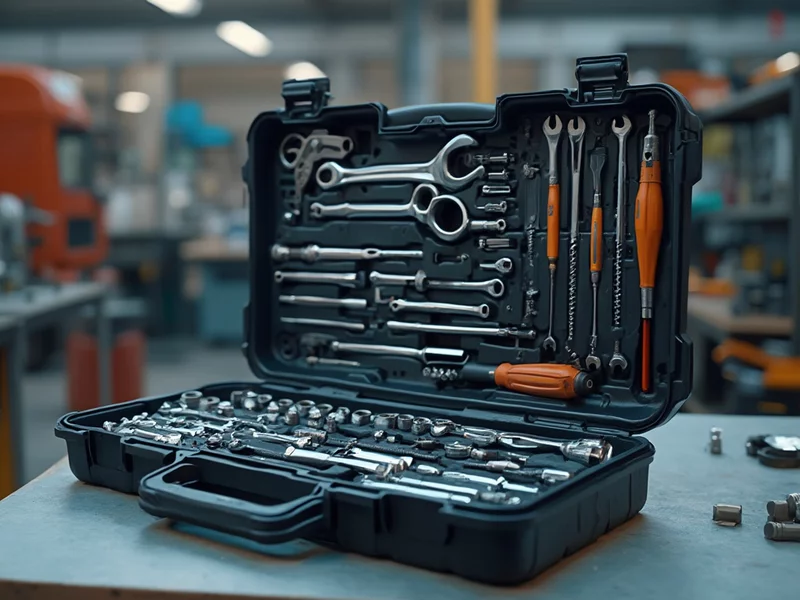
When it comes to keeping your fleet running smoothly, understanding the specific repair needs of each truck model is essential. With the right insights, you can minimize downtime and enhance operational efficiency.
What You Will Learn
- The unique repair needs of different truck models, including heavy-duty, medium-duty, and light-duty trucks.
- How to assess maintenance frequency based on usage patterns, load capacity, and road conditions.
- Steps to establish an effective maintenance schedule for your fleet.
- Key considerations for selecting the right tools and equipment tailored to your fleet's needs.
Fleet Maintenance and Repair Needs Overview
Understanding your fleet's specific needs is crucial for minimizing downtime. This overview highlights key considerations based on truck models and operational factors.
Typical Repair Scenarios by Truck Model
Medium-Duty Trucks: Brake system issues, regular checks.
Light-Duty Trucks: Electronic malfunctions, OBD checks.
Factors Affecting Maintenance Frequency
Usage Patterns: Frequent long-haul trips need more checks.
Load Capacity: Heavier loads wear brakes/suspension faster.
Road Conditions: Off-road driving increases repair needs.
Establishing an Effective Maintenance Schedule
Regular Inspections: Based on usage and vehicle age.
Document Repairs: Maintain records to predict future needs.
Use Technology: Software for maintenance reminders.
Key Considerations for Choosing Tools & Equipment
Identify Common Issues: Match tools to frequent problems.
Research Brands: Look for durability and performance.
Factor in Budget: Consider long-term value over initial cost.
Stay Updated: New tools can enhance efficiency and safety.
Identifying Your Fleet's Unique Repair Needs
Every fleet is unique, and understanding the specific repair needs of your trucks is crucial for minimizing downtime and maximizing efficiency. As a seasoned diesel mechanic, I’ve seen firsthand how different truck models and their individual characteristics influence maintenance requirements. With my experience at TorqueNest, I aim to guide you through the process of identifying these vital aspects to keep your fleet operating smoothly!
Whether you have an array of models or a single type of truck, recognizing common repair scenarios is essential. For example, older trucks may frequently need engine diagnostics and brake system attention, while newer models might require more electronic system checks. By tailoring your maintenance approach based on your trucks, you can prevent small issues from escalating into major repairs.
Understanding Different Truck Models and Common Repair Scenarios
Different truck models come with their own sets of strengths and weaknesses. Here’s a quick look at some common model types and their typical repair needs:
- Heavy-Duty Trucks: Often face engine wear, requiring frequent diagnostics and oil changes.
- Medium-Duty Trucks: Commonly have brake system issues that need regular checks.
- Light-Duty Trucks: May experience electronic malfunctions; keep an eye on onboard diagnostics.
By understanding the unique attributes of each model, you can prioritize your repair efforts effectively. This knowledge empowers you to maintain a proactive stance in your fleet's upkeep.
Assessing Maintenance Frequency and Operational Challenges
Evaluating how often your trucks need maintenance and what challenges they face during operations is key. Consider the following factors that affect maintenance frequency:
- Usage Patterns: Frequent long-haul trips may require more regular maintenance checks.
- Load Capacity: Heavier loads can lead to faster wear on brake systems and suspension.
- Road Conditions: Off-road driving or rough terrains can increase the need for repairs.
By regularly assessing these operational challenges, you can create a tailored maintenance schedule that addresses your fleet's specific needs, ensuring they perform at their best!
Establishing an Effective Maintenance Schedule for Your Fleet
Creating a maintenance schedule is essential for keeping your fleet in top shape. Here are some steps I recommend for establishing an effective plan:
- Regular Inspections: Schedule periodic inspections based on usage patterns and vehicle age.
- Document Repairs: Maintain detailed records of past repairs to predict future needs.
- Use Technology: Consider software solutions that offer reminders for maintenance tasks.
With a well-structured maintenance schedule in place, you'll not only enhance the longevity of your trucks but also improve overall safety and reliability on the road. Remember, at TorqueNest, my mission is to empower you with the knowledge to make informed decisions about your fleet's maintenance!
Pro Tip
Did you know? Regularly reviewing your fleet's repair history can provide valuable insights into patterns that may indicate underlying issues. By analyzing this data, you can better anticipate future repairs and allocate resources more effectively, ultimately saving time and reducing unexpected costs.
Making Informed Decisions for Your Fleet's Repair Needs
When it comes to equipping your fleet with the right tools, making informed decisions is crucial. The ASE Education Foundation's guidelines for tools and equipment emphasize the importance of having the right gear. With a variety of options available, it can be challenging to determine what works best for your unique truck models and operational requirements. Here are some key considerations to keep in mind:
- Assess the specific repair needs of your fleet based on truck models.
- Understand the maintenance frequency and typical repair scenarios.
- Prioritize tools that enhance efficiency and safety during repairs.
By focusing on these factors, you can tailor your tool selection to maximize both performance and longevity. Remember, the right tools not only facilitate repairs but also contribute to the overall efficiency of your operations.
Summary of Key Considerations in Choosing the Right Tools and Equipment
As I’ve learned over my years in the heavy-duty trucking industry, having the right tools is essential for effective repairs. The Heavy Equipment Technician tool list from Assiniboine College provides an excellent reference for comprehensive toolkits. Consider the following points when building your toolkit:
- Identify your fleet's most common repair issues to ensure you have the necessary tools at hand.
- Research tool brands and their reputations—some may offer better durability and performance than others.
- Factor in your budget while also considering the long-term value of investing in quality tools.
- Stay updated on new tools that could enhance efficiency and safety in your repair processes.
Establishing a solid understanding of these aspects will empower you to make smart choices that can lead to significant cost savings and improved operational efficiency in the long run.
Frequently Asked Questions (FAQs)
Q: How do repair needs differ between heavy-duty, medium-duty, and light-duty trucks?
A: Heavy-duty trucks often require frequent engine diagnostics and oil changes due to wear. Medium-duty trucks commonly experience brake system issues that need regular checks, while light-duty trucks may face electronic malfunctions and benefit from regular onboard diagnostics (OBD) checks.
Q: What factors influence the maintenance frequency of a fleet?
A: Maintenance frequency is influenced by usage patterns (e.g., long-haul trips require more checks), load capacity (heavier loads increase wear on brakes and suspension), and road conditions (off-road driving necessitates more frequent repairs).
Q: What are the key steps to establish an effective maintenance schedule?
A: Key steps include scheduling regular inspections based on usage and vehicle age, maintaining detailed records of past repairs to predict future needs, and utilizing technology like software for maintenance reminders.
Q: How should I choose the right tools and equipment for my fleet?
A: To choose the right tools, identify your fleet's most common repair issues, research tool brands for durability and performance, factor in your budget by considering long-term value, and stay updated on new tools that can enhance efficiency and safety. Resources like the NTEA Truck Equipment Handbook can provide valuable insights.
Q: Why is documenting repair history important for fleet maintenance?
A: Documenting repair history provides valuable insights into recurring patterns and potential underlying issues. This data allows fleet managers to anticipate future repairs, allocate resources effectively, and ultimately reduce unexpected costs and downtime.
Call to Action: Start Building Your Heavy-Duty Repair Tool Kit Today
Ready to take your fleet's maintenance to the next level? It's time to start building your heavy-duty repair tool kit! Investing in the right tools is a proactive step toward minimizing downtime and ensuring safety on the road.
Resources and Further Reading for Fleet Operators on Tool Purchasing and Maintenance
At TorqueNest, we’re dedicated to providing you with the resources you need. Here are some helpful links to guide your purchasing and maintenance decisions:
- In-depth reviews of essential repair tools
- Comprehensive maintenance checklists for fleets
- Expert guides on common truck repairs
By leveraging these resources, you’ll be well on your way to assembling a toolkit that meets your fleet's needs and keeps your trucks running strong!
Recap of Key Points
Here is a quick recap of the important points discussed in the article:
- Understand your fleet's unique repair needs based on truck models to minimize downtime.
- Assess common repair scenarios: older trucks may need more engine diagnostics, while newer models require electronic system checks.
- Evaluate maintenance frequency based on usage patterns, load capacity, and road conditions.
- Establish a maintenance schedule with regular inspections and detailed documentation of repairs.
- Make informed decisions when selecting tools that enhance efficiency and safety for your fleet operations.
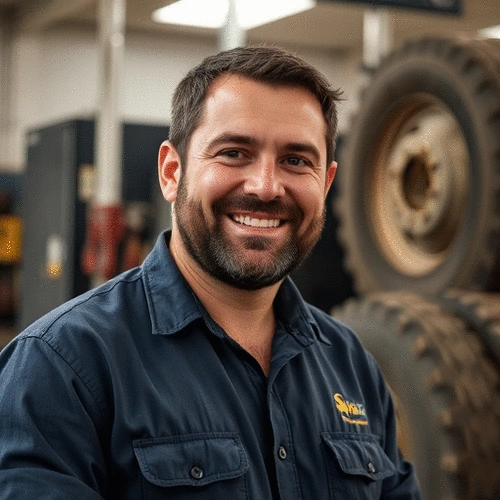
Ethan Callahan
Ethan Callahan is a seasoned diesel mechanic with over a decade of experience in the heavy-duty trucking industry. His expertise spans engine diagnostics, brake systems, and powertrain maintenance. As a passionate advocate for truck operators and fleet managers, Ethan is dedicated to providing clear, actionable insights that keep trucks on the road. Through TorqueNest, he aims to empower truck drivers and mechanics with the knowledge and resources they need for effective maintenance and repairs.
Popular Posts
Why Hire a Parramatta Web Design Company?
![]() A business’s website is its always-open virtual storefront that connects with customers, showc
A business’s website is its always-open virtual storefront that connects with customers, showc
 A business’s website is its always-open virtual storefront that connects with customers, showc
Reliable TorqueNest Diesel Repair Guides
![Where to Find Reliable TorqueNest Tutorials and Resources for Diesel Engine Repair]() Have you ever considered how empowered you could feel by enhancing your diesel engine maintenance sk
Have you ever considered how empowered you could feel by enhancing your diesel engine maintenance sk
 Have you ever considered how empowered you could feel by enhancing your diesel engine maintenance sk
Using Diesel Tools for On-Road Diagnostics
![Step-by-Step Guide to Using Diesel Diagnostic Tools for Engine Troubleshooting on the Road]() Investing in quality diagnostic tools can significantly enhance your roadside troubleshooting experi
Investing in quality diagnostic tools can significantly enhance your roadside troubleshooting experi
 Investing in quality diagnostic tools can significantly enhance your roadside troubleshooting experi
Selecting Heavy-Duty Truck Tool Kits
![How to Choose the Best Heavy-Duty Truck Repair Tool Kit for Fleet Operators]() When it comes to keeping your fleet running smoothly, understanding the specific repair needs of eac
When it comes to keeping your fleet running smoothly, understanding the specific repair needs of eac
 When it comes to keeping your fleet running smoothly, understanding the specific repair needs of eac
