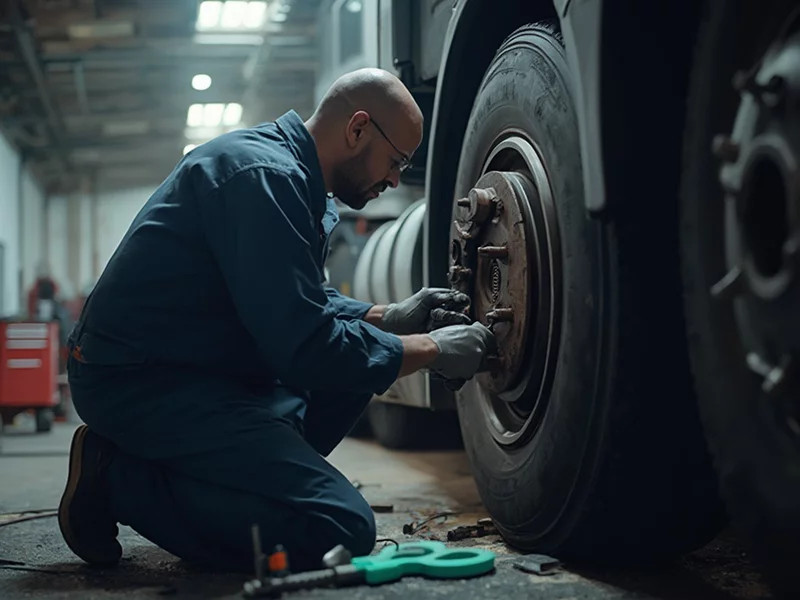
Common Brake Failure Causes
- Worn brake pads
- Air leaks
- Overheating
Understanding the intricacies of brake systems in heavy-duty trucks can be the difference between a safe journey and a potential disaster. With brake failures being a common concern, awareness is essential. So, what are the key signs and preventive measures truck operators should know?
Understanding the common causes of brake system failures and implementing proactive maintenance measures are crucial for heavy-duty trucks.
Brake system failures are a common concern in heavy-duty trucks, and understanding them is crucial for safety and operational efficiency. In my experience as a diesel mechanic, I frequently encounter issues related to air leaks, overheating, and worn-out brake shoes. These problems can lead to serious consequences if not addressed promptly, so let’s dive into how to recognize them!
Many truck operators may not realize just how prevalent these issues are. Air leaks can significantly affect braking power, while overheating can lead to brake fade, especially during prolonged use. Worn-out brake shoes can result in decreased performance, making it vital for drivers to be vigilant about their brake systems. For more detailed information on brake system performance and stopping distances, you can refer to resources like the NHTSA's report on stopping distances.
By familiarizing yourself with these common brake system issues, you can catch problems before they escalate. Regular inspections are key to preventing these failures!
As a driver, it’s essential to be aware of the symptoms that indicate brake system failures. Unusual noises, such as grinding or squeaking, are often the first signs that something is wrong. Reduced braking effectiveness can also hint at a deeper issue, making it imperative to stay alert.
Additionally, many modern trucks come equipped with dashboard alerts that notify drivers of braking system malfunctions. Ignoring these warnings can lead to dangerous situations on the road. Technical service bulletins, such as those published by the NHTSA on air brake system failures, provide valuable insights into specific issues and their resolutions.
Understanding the essential components of your truck's brake system is crucial for effective maintenance. Key parts include:
Each of these components plays a vital role in ensuring your truck stops safely and efficiently. Regular maintenance of these parts can prolong their life and enhance overall performance.
Next, let’s explore how to troubleshoot specific brake system issues to keep your truck running smoothly. It’s all about being proactive and knowing what to look for!
Here's a suitable video for embedding in a blog post about troubleshooting brake system failures in heavy-duty trucks:
To ensure your truck's brake system remains in optimal condition, consider implementing a brake fluid replacement schedule every 1-2 years. Regularly changing the brake fluid not only helps prevent moisture buildup, which can lead to corrosion and reduced performance, but also enhances the overall responsiveness of your braking system.
Here are some common questions regarding brake systems in heavy-duty trucks:
As we wrap up our discussion on brake systems, it's crucial to recap the importance of understanding and addressing brake system failures. These failures not only compromise safety but can also lead to significant performance issues in heavy-duty trucks. By staying informed and vigilant, you can prevent accidents and costly repairs.
Remember, the health of your brake system directly affects your truck's operation. Regular maintenance and timely interventions can keep your rig running smoothly. When you notice signs of wear or hear unusual noises, don’t hesitate to take action!
By integrating these practices into your maintenance routine, you can enhance both the safety and longevity of your vehicle, ensuring you stay on the road longer and safer.
At TorqueNest, we emphasize the need for ongoing maintenance and driver training. These elements are essential in preventing brake issues before they escalate. By prioritizing regular maintenance, you not only protect your vehicle but also your livelihood!
Integrating these practices helps to create a culture of safety within your operation. The more informed your drivers are, the better equipped they'll be to handle issues before they become serious problems.
Understanding the Department of Transportation (DOT) regulations is vital for effective brake system maintenance. These regulations set the safety standards that ensure heavy-duty trucks are roadworthy. Compliance isn't just a legal obligation; it’s a commitment to safety for everyone on the road. For comprehensive information on brake safety systems, review resources like the FMCSA's Brake Safety Systems Factsheet.
By adhering to these regulations, you're not only keeping yourself compliant but also contributing to the overall safety of the trucking community.
To effectively mitigate risks, it’s essential to understand the common causes of brake failures in heavy-duty trucks. Here’s a quick overview of what to look for:
By identifying these factors early, you can take proactive measures to address them, ensuring your brake systems remain in top condition.
Creating a thorough brake maintenance schedule is one of the best strategies for keeping your truck safe and efficient. Here are some steps to consider:
Implementing these strategies not only enhances safety but also empowers you as a truck operator. It gives you peace of mind knowing that your vehicle is well-maintained and ready for the road ahead.
As we conclude this section, I encourage you to adopt these strategies actively and seek professional help when necessary. Your commitment to brake system care can significantly impact your safety and performance in the trucking industry.
Here is a quick recap of the important points discussed in the article:
Ethan Callahan is a seasoned diesel mechanic with over a decade of experience in the heavy-duty trucking industry. His expertise spans engine diagnostics, brake systems, and powertrain maintenance. As a passionate advocate for truck operators and fleet managers, Ethan is dedicated to providing clear, actionable insights that keep trucks on the road. Through TorqueNest, he aims to empower truck drivers and mechanics with the knowledge and resources they need for effective maintenance and repairs.