Powertrain Maintenance for Diesel Trucks

How to Perform Comprehensive Powertrain Maintenance on Heavy-Duty Diesel Trucks

Regular maintenance is not just a suggestion; it’s a necessity for keeping heavy-duty diesel trucks operating efficiently and safely. Understanding the key aspects of powertrain care can save you time and money, ensuring reliable performance on the road. Here’s what you’ll learn about the importance of powertrain maintenance.

What You Will Learn

  • Regular powertrain maintenance improves fuel efficiency and saves costs over time.
  • Identifying and addressing minor issues early helps prevent unexpected breakdowns.
  • Understanding key powertrain components, such as the transmission and differential, is vital for informed maintenance decisions.
  • Implementing a structured maintenance schedule leads to increased longevity and reliability of your trucks.
  • Fostering a culture of maintenance within your team enhances operational efficiency and driver satisfaction.

The Impact of Comprehensive Powertrain Maintenance

Regular maintenance of heavy-duty diesel truck powertrains ensures optimal performance, extends lifespan, and significantly reduces operational costs. The visual below highlights the key benefits and the financial advantage of preventive care over reactive repairs.

Benefits of Comprehensive Maintenance

Increased Longevity

Reduced Downtime

Enhanced Fuel Efficiency

Lower Repair Costs

Preventive vs. Reactive Costs

Preventive Maintenance: Budgeted, predictable expenses
Reactive Repairs: Expensive, unexpected breakdowns

Fleet Performance Improvements

  • 25% Reduction in Fuel Costs

  • Increased Driver Satisfaction

  • 15% Increase in Overall Uptime

Understanding the Importance of Powertrain Maintenance for Heavy-Duty Diesel Trucks

When it comes to heavy-duty diesel trucks, understanding the significance of powertrain maintenance is essential for keeping these robust machines running smoothly. Regular maintenance not only ensures optimal performance but also extends the lifespan of your truck. As a seasoned diesel mechanic, I've seen firsthand how proactive care can make all the difference in avoiding costly repairs down the line.

In the world of trucking, where downtime translates to lost income, taking care of your powertrain components is critical. It's not just about keeping the vehicle on the road; it's about ensuring safety, efficiency, and reliability. Let’s dive into why regular maintenance is crucial for your diesel engines.

Why Regular Maintenance is Crucial for Diesel Engines

Regular maintenance helps identify potential issues before they escalate into major problems. Diesel engines are complex systems that require attention to detail. A simple inspection can uncover wear and tear that, if left unchecked, can lead to engine failure or performance issues.

  • Improves fuel efficiency
  • Reduces the risk of unexpected breakdowns
  • Extends the lifespan of components
  • Enhances overall safety on the road

By adhering to a consistent maintenance schedule, you not only ensure your truck operates at peak performance but also save yourself from the stress of emergencies. Remember, a little preventive care goes a long way! The U.S. Department of Energy emphasizes the critical role of efficient heavy-duty vehicles in reducing fuel consumption and emissions.

The Role of Powertrain Components in Truck Performance

The powertrain is the heart of your truck, encompassing the engine, transmission, differential, and drivetrain. Each component plays a vital role in delivering performance and efficiency. For instance, while the engine generates power, the transmission ensures that power is transmitted effectively to the wheels.

A well-maintained powertrain enhances your truck's acceleration and fuel economy, allowing you to maximize your loads while minimizing fuel costs. Understanding how each part contributes to the overall functioning of your truck will empower you to make informed maintenance decisions.

Key Powertrain Components: Transmission, Differential, and Drivetrain

Let’s break down some of the key components of the powertrain:

  • Transmission: Converts engine power into movement. Regular checks are needed to prevent fluid leaks and wear.
  • Differential: Allows your wheels to rotate at different speeds during turns. It's crucial to monitor gear oil levels to avoid serious damage.
  • Drivetrain: Includes all components that transfer power from the transmission to the wheels. Ensuring these parts are free from wear can prevent significant operational issues.

By focusing on these components and keeping them in top shape, you’ll ensure that your heavy-duty truck operates reliably. Remember, maintenance isn’t just a chore; it’s an investment in your truck’s future! The California Air Resources Board provides comprehensive regulations and test procedures for heavy-duty diesel engines, highlighting the importance of proper maintenance for compliance and performance.

Summarizing the Benefits of Comprehensive Powertrain Maintenance

When it comes to keeping heavy-duty trucks running smoothly, comprehensive powertrain maintenance isn’t just a recommendation—it's a necessity! Regularly maintaining your truck's powertrain can lead to significant savings over time. Let’s break down some key benefits you can expect from a solid maintenance routine.

  • Increased Longevity: Proper maintenance can extend the lifespan of your truck's components.
  • Reduced Downtime: Addressing issues before they escalate minimizes the risk of unexpected breakdowns.
  • Enhanced Fuel Efficiency: A well-maintained powertrain operates more efficiently, leading to better fuel economy.
  • Lower Repair Costs: Preventive maintenance is generally more cost-effective than reactive repairs.

At TorqueNest, I’ve seen firsthand how these benefits can transform a fleet's operations. Regular checks and services can mean the difference between a profitable run and costly repairs!

Cost-Benefit Analysis: Preventive Maintenance vs. Reactive Repairs

When weighing the costs of preventive maintenance against reactive repairs, the numbers can be eye-opening. Preventive maintenance is often significantly less expensive in the long run. Here's a simple breakdown to consider:

  • Preventive Maintenance Costs: Regular inspections, oil changes, and minor repairs can be budgeted effectively.
  • Reactive Repairs Costs: Unexpected breakdowns often lead to expensive repairs, lost time, and potential fines.

Investing in a maintenance schedule not only protects your investments but also keeps your trucks operating efficiently and safely on the road!

Real-World Examples of Improved Fleet Performance

Real-life stories can illustrate the impact of proactive maintenance. I recall working with a fleet manager who implemented a rigorous maintenance schedule for their diesel trucks. Within months, they noticed:

  • A 25% reduction in fuel costs due to improved efficiency.
  • Fewer roadside breakdowns, which led to increased driver satisfaction.
  • A 15% increase in overall uptime as scheduled maintenance minimized disruptions.

This is just one example of how committing to comprehensive maintenance can pay off in tangible ways. It’s all about making informed choices that support the longevity and reliability of your trucks.

Encouraging Proactive Maintenance for Fleet Managers

As a fleet manager, fostering a culture of maintenance awareness is crucial. It’s not just about fixing problems, but preventing them in the first place! Here are some actionable steps you can take to implement an effective maintenance schedule.

Actionable Steps to Implementing a Maintenance Schedule

Creating a maintenance schedule requires a strategic approach. Here are some steps to get you started:

  • Assess Your Fleet: Understand the specific maintenance needs of each vehicle.
  • Set Clear Intervals: Follow manufacturer recommendations while adjusting for your operating conditions.
  • Document Everything: Keep records of maintenance activities to track performance over time.
  • Train Your Team: Ensure that all team members understand the importance and process of maintenance.

By taking these steps, you'll create a proactive culture that prioritizes upkeep and efficiency, ultimately benefiting your entire operation!

Resources for Ongoing Learning and Improvement in Maintenance Practices

Staying updated on the latest maintenance practices is essential for any fleet manager. Here are some resources that can help:

  • Industry Webinars: Attend online sessions that cover new technologies and maintenance techniques.
  • Trade Publications: Subscribe to industry magazines for the latest trends and insights.
  • Peer Networks: Connect with other fleet managers for shared experiences and knowledge.

At TorqueNest, I’m always looking for ways to enhance my knowledge and share that with you. Let's ensure we're all moving forward together!

Utilizing Maintenance Checklists and Service Manuals for Better Management

Using checklists and service manuals can streamline your maintenance processes. They not only improve efficiency but also help prevent crucial tasks from being overlooked. Consider implementing:

  • Daily Inspection Checklists: Ensure all drivers complete these before hitting the road.
  • Service Manuals: Keep them handy for quick reference on specific maintenance procedures.
  • Digital Tracking Tools: Utilize apps or software that can help with scheduling and documentation.

By integrating these tools into your routine, you’ll find that managing maintenance becomes more systematic and less stressful. Your trucks—and your bottom line—will thank you! The U.S. Environmental Protection Agency (EPA) provides grants and resources to help reduce diesel emissions, often tied to proper maintenance practices.

Frequently Asked Questions (FAQs) About Powertrain Maintenance

Q: Why is regular powertrain maintenance crucial for heavy-duty diesel trucks?
A: Regular maintenance ensures optimal performance, extends the lifespan of components, improves fuel efficiency, reduces unexpected breakdowns, and enhances overall safety. It helps identify issues early, preventing costly repairs.
Q: What are the key components of a heavy-duty truck's powertrain?
A: The powertrain includes the engine, transmission, differential, and drivetrain. Each part is vital for converting engine power into movement and ensuring efficient operation.
Q: How does preventive maintenance compare to reactive repairs in terms of cost?
A: Preventive maintenance involves regular, budgeted inspections and minor repairs, which are generally less expensive in the long run. Reactive repairs are often costly, unexpected breakdowns that lead to significant expenses and downtime.
Q: What are some real-world benefits of a comprehensive maintenance schedule?
A: Real-world benefits include a reduction in fuel costs (e.g., 25%), increased driver satisfaction due to fewer breakdowns, and an increase in overall uptime (e.g., 15%).
Q: What steps can fleet managers take to implement an effective maintenance schedule?
A: Fleet managers should assess their fleet's specific needs, set clear maintenance intervals based on manufacturer recommendations and operating conditions, document all maintenance activities, and train their team on the importance and processes of maintenance.

Recap of Key Points

Here is a quick recap of the important points discussed in the article:

  • Regular powertrain maintenance is essential for optimal performance and longevity of heavy-duty diesel trucks.
  • Proactive maintenance helps identify potential issues early, reducing the risk of unexpected breakdowns.
  • Key components such as the transmission, differential, and drivetrain require regular checks to ensure efficiency.
  • Comprehensive maintenance can lead to increased fuel efficiency, reduced downtime, and lower repair costs.
  • Establishing a solid maintenance schedule and utilizing resources can greatly enhance fleet performance and safety.
About !author

Ethan Callahan

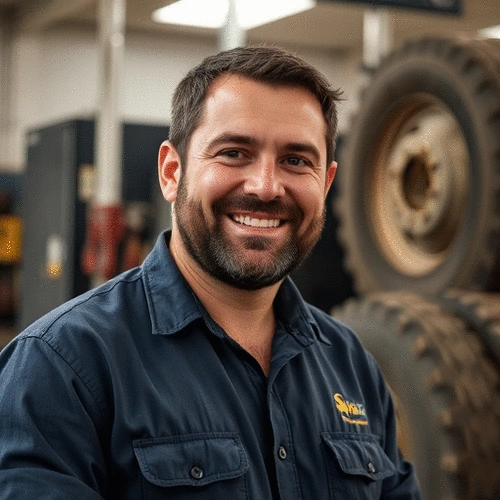
Ethan Callahan is a seasoned diesel mechanic with over a decade of experience in the heavy-duty trucking industry. His expertise spans engine diagnostics, brake systems, and powertrain maintenance. As a passionate advocate for truck operators and fleet managers, Ethan is dedicated to providing clear, actionable insights that keep trucks on the road. Through TorqueNest, he aims to empower truck drivers and mechanics with the knowledge and resources they need for effective maintenance and repairs.

Popular Posts

Why Hire a Parramatta Web Design Company? A business’s website is its always-open virtual storefront that connects with customers, showc
Reliable TorqueNest Diesel Repair Guides Where to Find Reliable TorqueNest Tutorials and Resources for Diesel Engine Repair Have you ever considered how empowered you could feel by enhancing your diesel engine maintenance sk
Using Diesel Tools for On-Road Diagnostics Step-by-Step Guide to Using Diesel Diagnostic Tools for Engine Troubleshooting on the Road Investing in quality diagnostic tools can significantly enhance your roadside troubleshooting experi
Selecting Heavy-Duty Truck Tool Kits How to Choose the Best Heavy-Duty Truck Repair Tool Kit for Fleet Operators When it comes to keeping your fleet running smoothly, understanding the specific repair needs of eac