DPF Construction & Function
- Material: Cordierite or Silicon Carbide (high temp)
- Function: Traps soot & ash, reduces particulate emissions
- Location: Exhaust system, after turbocharger
The Diesel Particulate Filter (DPF) is more than just a component; it's the unsung hero of heavy-duty trucks, ensuring compliance with ever-stricter emission regulations and prolonging engine life. Did you know that regular maintenance of the DPF can save you time and money in the long run? Let’s dive into what you’ll learn about optimizing your truck's performance by understanding this essential part.
Understanding the core components and key regeneration processes of a Diesel Particulate Filter system is essential for maintaining heavy-duty trucks. Below is a visual breakdown of the DPF system's structure and its regeneration methods.
When it comes to maintaining heavy-duty trucks, understanding the Diesel Particulate Filter (DPF) is crucial. This vital component plays a significant role in reducing emissions and ensuring your truck runs efficiently. As a seasoned diesel mechanic, I’ve seen firsthand how a well-maintained DPF can extend the life of an engine and help you stay compliant with environmental regulations.
The DPF traps soot and other particulate matter from the exhaust gas, preventing harmful pollutants from entering the atmosphere. In this section, we'll dive deeper into what a DPF is, its importance in emission control, and how it works with diesel engines.
A Diesel Particulate Filter is specifically designed to capture and store exhaust soot in diesel engines. Over time, the filter collects these particles until they reach a certain capacity, at which point the system needs to regenerate to clear out the accumulated soot.
Understanding how the DPF operates is essential for every truck driver and fleet operator. Like me, you want your truck to be as efficient as possible while minimizing its environmental impact!
The DPF plays a crucial role in compliance with emission regulations, which are getting stricter each year. By filtering out harmful particles, this component not only helps to keep our air clean but also enhances fuel efficiency. Regulatory bodies such as the California Air Resources Board (CARB) and the Environmental Protection Agency (EPA) actively research and enforce these standards to promote cleaner heavy-duty vehicle operation. Moreover, initiatives like those outlined by the California Energy Commission highlight the ongoing commitment to reducing transportation-related emissions.
As you can see, neglecting the DPF can have serious consequences not just for your vehicle but for the environment as well. At TorqueNest, we’re dedicated to helping you understand and maintain your truck’s DPF for optimal performance.
The DPF operates as part of a comprehensive exhaust system designed to optimize engine performance and reduce emissions. When exhaust gas flows through the filter, the soot particles are trapped within its porous structure.
Understanding how the DPF integrates with your exhaust system is essential to grasping its role in overall engine health. Regular inspections and maintenance, as emphasized here at TorqueNest, can keep your truck running strong!
To maintain the efficiency of your Diesel Particulate Filter (DPF), consider integrating regular long drives into your routine. This will promote natural regeneration of the DPF, reducing the need for forced regeneration and helping to keep your engine running smoothly.
When it comes to maintaining your heavy-duty truck, understanding DPF regeneration is crucial. The Diesel Particulate Filter (DPF) plays a vital role in emission control, and knowing how to properly regenerate it can ensure your vehicle runs efficiently. In this section, I'll share some key takeaways that can enhance your approach to DPF maintenance.
By taking these steps, you can keep your truck's emissions in check and prolong the lifespan of your DPF. Trust me, investing a little time in understanding these processes can save you headaches down the road!
In conclusion, proper DPF maintenance and regeneration are not just regulatory requirements—they're essential for your truck's performance. As a seasoned diesel mechanic, I've seen firsthand how neglecting these aspects can lead to costly repairs and downtime. Regular checks and understanding when to perform regeneration can make all the difference for your engine health.
Don't underestimate the impact of driving habits on passive regeneration. If you're frequently driving short distances or in stop-and-go traffic, consider incorporating longer trips into your schedule. This will allow the DPF to clean itself naturally, which is much easier than needing to perform forced regeneration.
To continue your journey in understanding DPF regeneration, here are some resources that can deepen your knowledge:
By utilizing these resources, you'll be well-equipped to handle DPF issues with confidence. Remember, at TorqueNest, we're here to support you with reliable information tailored to the heavy-duty trucking community!
There are many excellent guides available both online and in print that can help you grasp the intricacies of DPF systems. I recommend checking out the latest manufacturer manuals, as they often provide the most accurate and relevant information for your specific truck model.
If you're ever in doubt or face a complex DPF issue, don't hesitate to reach out to professionals. TorqueNest is dedicated to connecting you with trusted diesel mechanics who can help diagnose and solve your DPF problems effectively!
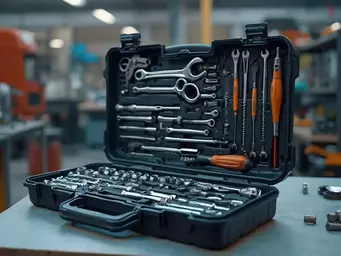
Investing in the right tools is essential for any truck operator. Specialty tools designed for DPF maintenance can save you time and effort. Look for kits that include diagnostic tools, cleaning solutions, and replacement parts to keep your DPF in top shape.
Here is a quick recap of the important points discussed in the article:
Ethan Callahan is a seasoned diesel mechanic with over a decade of experience in the heavy-duty trucking industry. His expertise spans engine diagnostics, brake systems, and powertrain maintenance. As a passionate advocate for truck operators and fleet managers, Ethan is dedicated to providing clear, actionable insights that keep trucks on the road. Through TorqueNest, he aims to empower truck drivers and mechanics with the knowledge and resources they need for effective maintenance and repairs.