Common Diesel Engine Issues and Fixes
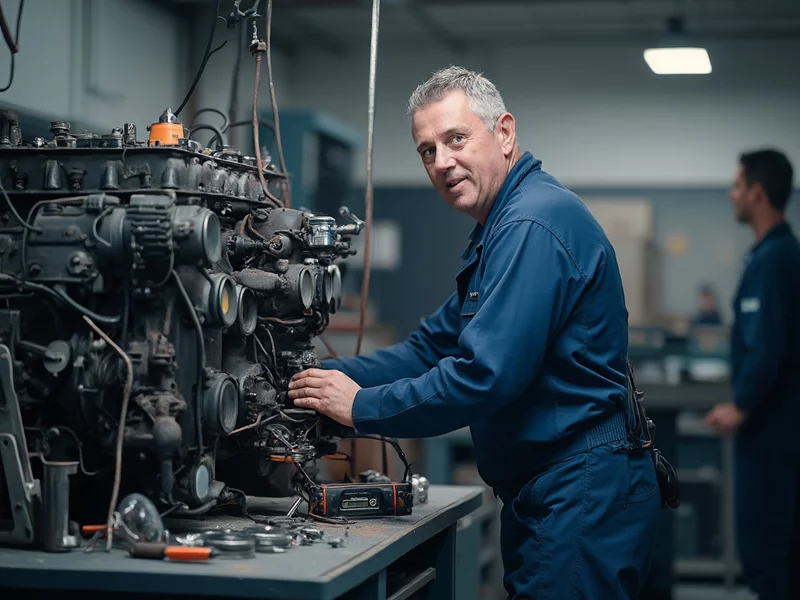
Have you ever faced unexpected downtime with your diesel engine? Understanding the common issues that can lead to such problems is essential for maintaining efficiency and minimizing costs. Here, we’ll explore key insights to help you keep your diesel engine running smoothly.
What You Will Learn
- Neglecting maintenance schedules can cause significant engine downtime.
- Using low-quality fuel and lubricants can lead to performance issues.
- Regular inspections and timely repairs can prevent costly breakdowns.
- Understanding the financial impacts of engine failures helps in budgeting for maintenance.
- Engaging professional mechanics for complex issues can save time and money.
- Implementing routine checks and quick fixes can drastically improve engine reliability.
Key Challenges and Solutions for Diesel Engine Health
Understanding proactive measures and common fixes can significantly enhance diesel engine reliability and longevity.
Common Engine Issues
- Power Loss (Clogged filters, injectors)
- Hard Starting (Battery/electrical issues)
- Engine Overheating (Cooling system failure)
- Turbocharger Problems
Proactive Solutions
- Regular filter/fuel system checks
- Battery & electrical connections health
- Monitor coolant levels and hoses
- Professional diagnostics
Financial Impact
- Repair costs: Hundreds to thousands
- Lost revenue from downtime
- Increased maintenance if neglected
- Budgeting prevents surprises
Importance of Expertise
- Professional diagnostics for complex issues
- Catch issues before they escalate
- Expert advice saves time & money
- Guaranteed long-term reliability
Understanding Diesel Engine Reliability: The Importance of Addressing Common Issues
As a seasoned diesel mechanic, I’ve seen firsthand how diesel engine reliability can make or break a trucking operation. Understanding the common issues that can lead to downtime is critical for fleet managers and truck drivers alike. By addressing these problems early on, you can enhance efficiency and keep your vehicles running smoothly on the road.
Let’s dive into why diesel engines experience downtime and how you can mitigate these issues. Whether you’re operating a single truck or managing an entire fleet, being proactive can save you time, money, and the hassle of unexpected breakdowns!
Why Diesel Engines Experience Downtime
Diesel engines, while powerful and efficient, are not immune to failures. Factors such as poor maintenance, environmental conditions, and even the quality of fuel can contribute to unexpected downtime. Here are a few reasons why diesel engines might face issues:
- Neglected maintenance schedules
- Use of subpar fuel or lubricants
- Exposure to harsh weather conditions
- Overloading the engine beyond its capacity
Each of these factors can lead to significant downtime, impacting your operations and profitability. My goal at TorqueNest is to equip you with the knowledge to avoid such pitfalls!
The Financial Impact of Diesel Engine Failures
When a diesel engine goes down, the financial repercussions can be staggering. Not only do you face repair costs, but there’s also the added expense of lost revenue from downtime. This can accumulate quickly, especially for fleet operators who rely on their trucks for consistent income.
Consider these financial impacts:
- Repair costs can range from hundreds to thousands of dollars, depending on the issue.
- Lost revenue due to delays in deliveries or service interruptions.
- Increased maintenance costs if problems are not addressed promptly.
The bottom line? Staying on top of maintenance is a must for keeping costs down. A little investment in preventive care can save you from a mountain of expenses later!
Common Mechanical Failures in Diesel Engines and Their Consequences
Throughout my career, I’ve encountered various types of mechanical failures that can plague diesel engines. Understanding these failures is crucial for timely intervention. Here are some common issues:
- Fuel system failures: Clogged filters or injectors can lead to power loss.
- Cooling system failures: Overheating can cause severe damage if not managed.
- Electrical issues: Problems with the alternator or starter can lead to hard starting.
Each of these failures comes with its own set of consequences, potentially leading to costly repairs and prolonged downtime. As I always say, knowledge is power in the trucking industry. By recognizing these common failures, you can take action before they lead to bigger problems. For example, recent developments in emissions control, like the EPA's green light for Diesel Exhaust Fluid (DEF) fixes, highlight the ongoing efforts to address and mitigate common diesel engine issues and protect hard-working American vehicles. Additionally, the EPA's new heavy-duty engine and vehicle standards aim to further reduce air pollution, emphasizing the importance of well-maintained diesel engines. News from the Iowa State Fair also reinforces the commitment to maintaining efficiency and environmental standards in diesel technology.
We Want to Hear From You!
What preventative measures do you take to ensure your diesel engine remains reliable? Share your thoughts below:
Ensuring Long-Term Diesel Engine Health: A Summary of Key Strategies
As we wrap up our discussion on diesel engines, it's vital to recognize the common issues and the solutions we’ve explored. Understanding these problems not only prepares you for potential challenges but also empowers you to take proactive measures. So, let’s recap a few common diesel engine issues along with effective solutions:
- Power Loss: Regularly inspect fuel systems and maintain air filters to ensure optimal engine performance.
- Hard Starting: Check battery health and electrical connections; this can prevent frustrating start failures.
- Clogged Filters: Implement a routine filter replacement schedule to keep your engine breathing well.
- Turbocharger Problems: Conduct regular checks for any unusual sounds or performance drop-offs; early detection is key!
- Engine Overheating: Pay attention to your cooling system—inspect coolant levels and hoses frequently.
- Injector Issues: Perform fuel system cleaning regularly to avoid costly repairs down the line.
- Glow Plug Failure: Monitor the condition of glow plugs, especially in colder weather, to ensure reliable starts.
These steps are simple yet crucial for maintaining your engine’s health and efficiency. Remember, addressing small issues promptly can prevent them from snowballing into major repairs!
Importance of Professional Assistance for Complex Problems
While DIY fixes can be effective for minor issues, some problems require the expertise of a professional diesel mechanic. At TorqueNest, I often see truck operators underestimate the significance of professional diagnostics. Complex issues like turbocharger failures or deep injector problems can be tricky. Having an experienced mechanic take a look can save you time, money, and further headaches!
When in doubt, don't hesitate to reach out for professional help. It’s about ensuring that your truck stays on the road and operates safely. After all, a well-maintained engine is a happy engine!
Understanding Repair Costs and Budgeting for Maintenance
Budgeting for diesel engine maintenance is essential for every truck owner. Unexpected repairs can hit hard, and understanding what to expect can help you prepare. Here are some key points to consider:
- Regular Maintenance: Allocate funds for routine services to prevent costly repairs.
- Emergency Fund: Set aside a portion of your budget for unexpected breakdowns.
- Compare Repair Costs: Research and compare quotes from different mechanics to ensure you get the best value.
- Quality Parts: Investing in quality parts may have a higher upfront cost but can save you money in the long run by reducing failure risks.
By planning ahead, you can ensure that your truck remains reliable and that you're financially prepared for any necessary repairs. Remember, at TorqueNest, we’re here to guide you through these processes and help you make informed decisions for your diesel engine.
Take Action: Steps to Keep Your Diesel Engine Running Smoothly
Engaging with Professionals for Preventive Maintenance
To truly maximize your diesel engine's lifespan, regular engagement with qualified mechanics is essential. Professional preventive maintenance checks can catch issues before they become major problems. Whether it’s an oil change or a thorough inspection of the cooling system, don’t underestimate the value of expert advice!
As a truck owner, staying proactive about maintenance will not only save you money but also keep your truck performing at its best.
Encouragement to Implement Quick Fixes and Regular Checks
Don't wait for a problem to escalate! Implementing quick fixes can make a world of difference. Regularly check your truck’s oil levels, monitor battery health, and inspect filters. Simple actions like these can prevent bigger headaches down the road. Think of it like checking your tire pressure—it’s a small effort that keeps you safe!
Make it a habit to incorporate these checks into your routine, and you’ll see a remarkable improvement in your truck's reliability.
Tips for Selecting Trustworthy Mechanics and Repair Shops
Choosing the right mechanic is crucial. Here are some tips to help you find a trustworthy repair shop:
- Ask for Recommendations: Reach out to other truck drivers and fleet managers for referrals.
- Check Reviews: Look up online reviews and ratings to gauge customer satisfaction.
- Certifications: Ensure the shop has certified mechanics who specialize in diesel engines.
- Transparency: A good mechanic will explain issues clearly and provide detailed estimates.
By following these tips, you can find a reliable mechanic who understands the ins and outs of diesel engines, ensuring your truck stays in top shape for the long haul. Remember, at TorqueNest, we're always here to help guide you through the maintenance journey!
Recap of Key Points
Here is a quick recap of the important points discussed in the article:
- Neglected maintenance schedules can lead to significant downtime for diesel engines.
- Investing in preventive maintenance is essential to reduce repair costs and lost revenue.
- Regularly inspect fuel systems and maintain air filters to avoid power loss.
- Monitor battery health and electrical connections to prevent hard starting issues.
- Implement a routine filter replacement schedule to keep the engine performing optimally.
- Engage professional mechanics for complex issues to ensure reliable repairs.
- Budgeting for regular maintenance can help prepare for unexpected repairs.
Frequently Asked Questions (FAQs)
- What are the most common causes of diesel engine downtime?
- Common causes include neglected maintenance schedules, use of subpar fuel or lubricants, exposure to harsh weather, and overloading the engine. Failures in fuel systems, cooling systems, and electrical components are also frequent issues.
- How can I prevent power loss in my diesel engine?
- To prevent power loss, regularly inspect fuel systems, ensure air filters are clean and maintained, and perform routine filter replacements.
- What is the financial impact of diesel engine failures?
- The financial impact can include high repair costs (hundreds to thousands of dollars), lost revenue due to delivery delays or service interruptions, and increased maintenance costs if problems are not addressed promptly.
- When should I seek professional help for my diesel engine?
- While minor issues can be addressed with DIY fixes, it is crucial to seek professional assistance for complex problems such as turbocharger failures, deep injector issues, or any problem that you are unsure how to diagnose or repair safely.
- What are some tips for selecting a trustworthy diesel mechanic?
- Look for recommendations from other truck drivers, check online reviews and ratings, ensure the shop has certified mechanics specializing in diesel engines, and choose a mechanic who is transparent about issues and provides detailed estimates.

Ethan Callahan
Ethan Callahan is a seasoned diesel mechanic with over a decade of experience in the heavy-duty trucking industry. His expertise spans engine diagnostics, brake systems, and powertrain maintenance. As a passionate advocate for truck operators and fleet managers, Ethan is dedicated to providing clear, actionable insights that keep trucks on the road. Through TorqueNest, he aims to empower truck drivers and mechanics with the knowledge and resources they need for effective maintenance and repairs.
Popular Posts
Why Hire a Parramatta Web Design Company?
![]() A business’s website is its always-open virtual storefront that connects with customers, showc
A business’s website is its always-open virtual storefront that connects with customers, showc
 A business’s website is its always-open virtual storefront that connects with customers, showc
Reliable TorqueNest Diesel Repair Guides
![Where to Find Reliable TorqueNest Tutorials and Resources for Diesel Engine Repair]() Have you ever considered how empowered you could feel by enhancing your diesel engine maintenance sk
Have you ever considered how empowered you could feel by enhancing your diesel engine maintenance sk
 Have you ever considered how empowered you could feel by enhancing your diesel engine maintenance sk
Using Diesel Tools for On-Road Diagnostics
![Step-by-Step Guide to Using Diesel Diagnostic Tools for Engine Troubleshooting on the Road]() Investing in quality diagnostic tools can significantly enhance your roadside troubleshooting experi
Investing in quality diagnostic tools can significantly enhance your roadside troubleshooting experi
 Investing in quality diagnostic tools can significantly enhance your roadside troubleshooting experi
Selecting Heavy-Duty Truck Tool Kits
![How to Choose the Best Heavy-Duty Truck Repair Tool Kit for Fleet Operators]() When it comes to keeping your fleet running smoothly, understanding the specific repair needs of eac
When it comes to keeping your fleet running smoothly, understanding the specific repair needs of eac
 When it comes to keeping your fleet running smoothly, understanding the specific repair needs of eac
