Regular maintenance isn't just an option; it's a necessity for diesel truck owners. When you prioritize your powertrain's health, you're investing in performance, safety, and longevity. Let's dive into the essential insights that can elevate your truck maintenance game.
What You Will Learn
The importance of regular powertrain maintenance to prevent major breakdowns and enhance fuel efficiency.
Common powertrain issues such as transmission slippage, coolant leaks, and fuel system failures that every diesel truck owner should monitor.
Key maintenance products, including oil and filter kits, that are critical for maintaining your truck's performance and resale value.
Actionable steps for your next maintenance purchase to ensure you're choosing the right products and retailers.
Key Maintenance Areas for Diesel Trucks
Proactive maintenance is vital for diesel trucks. This visual outlines the core areas that require attention to ensure longevity and optimal performance.
Engine & Fuel System
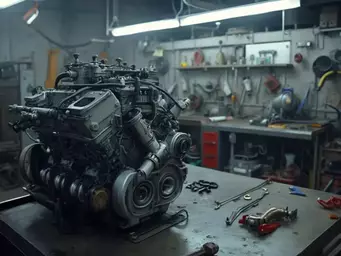
The heart of your diesel truck. Regular checks prevent major breakdowns and enhance fuel efficiency.
Oil & Filter Kits
Upgraded Fuel Systems
Engine Additives
Transmission & Drivetrain
Ensures smooth power delivery. Neglect can lead to poor acceleration and costly repairs.
Transmission Fluid Changes
Coolant System Inspection
Drivetrain Component Checks
Air Intake & Exhaust
Crucial for engine breathing and performance. Improves airflow and reduces emissions.
Air Filter Replacement
Exhaust System Integrity
Turbocharger Inspection
Braking & Safety
Ensures reliable stopping power, critical for heavy-duty trucks. Prioritize safety on the road.
Brake Component Checks
Brake Fluid Levels
Tire Pressure & Wear
Understanding the Importance of Powertrain Maintenance for Diesel Trucks
As a seasoned diesel mechanic, I've seen firsthand how crucial powertrain maintenance is for diesel trucks. Regular maintenance not only ensures optimal performance but also extends the lifespan of your vehicle. When you keep up with maintenance, you're not just protecting your investment—you're also enhancing safety on the road!
For truck drivers and fleet operators alike, understanding the components of the powertrain is essential. It includes the engine, transmission, and drivetrain, all working together to deliver the power needed for heavy-duty tasks. Neglecting any part of this system can lead to significant issues, such as reduced efficiency and costly repairs. For more detailed information on maintaining internal combustion engines, you can refer to the Tech Team Roadmap for Internal Combustion Engines (ICE) from the U.S. Department of Energy.
Why Regular Maintenance is Essential for Diesel Engines
Regular maintenance is vital to keep diesel engines running smoothly. Here are some key reasons why:
Prevents Major Breakdowns: Routine checks help identify potential problems before they escalate into serious issues.
Enhances Fuel Efficiency: A well-maintained powertrain operates more efficiently, saving you money on fuel.
Improves Resale Value: Keeping your truck in top condition can significantly increase its resale value.
By prioritizing regular maintenance, you not only enhance your truck's performance but also ensure that you can tackle those long hauls without unexpected surprises! Furthermore, understanding cost considerations for different powertrain types, including diesel, can help in long-term planning, as highlighted in this report on Total Cost of Ownership for Alternative Powertrain Long-Haul Trucks in the U.S.
Common Powertrain Issues Faced by Diesel Truck Owners
Despite our best efforts, powertrain issues can still arise. Here are some common problems that diesel truck owners should be aware of:
Transmission Slippage: This can lead to poor acceleration and engine strain.
Coolant Leaks: If not addressed, leaks can cause overheating and severe damage.
Fuel System Failures: Issues like clogged filters can affect engine performance.
Identifying these problems early on is key! As a mechanic, I always encourage drivers to be vigilant and proactive about their truck's health. Remember, a little maintenance goes a long way in avoiding big headaches down the line. For insights into emerging powertrain technologies and their maintenance implications, the NACFE 2023 Report on hydrogen for trucking provides valuable context on the future of heavy-duty vehicle powertrains.
Pro Tip
To ensure your diesel truck remains in peak condition, consider implementing a maintenance schedule. Regularly checking fluid levels, replacing filters, and conducting system diagnostics can prevent minor issues from escalating into costly repairs. Use a checklist to track your maintenance tasks and set reminders for routine inspections—this proactive approach will keep your truck running smoothly and efficiently!
Frequently Asked Questions About Diesel Truck Maintenance
Regular powertrain maintenance is crucial for preventing major breakdowns, enhancing fuel efficiency, improving the truck's resale value, and ensuring overall safety and longevity.
Common issues include transmission slippage, coolant leaks, and fuel system failures. Early detection of these problems can prevent more severe damage and costly repairs.
Key products include oil and filter kits, upgraded fuel systems, air intake and exhaust system components, brake components, engine additives, quality diesel engine oil, and transmission fluid.
Reliable sources include local dealerships, specialty truck parts stores, reputable online marketplaces, and manufacturer websites. Always verify the credibility of the retailer.
Genuine parts generally offer better quality, reliability, and come with manufacturer warranties. Aftermarket parts can be more affordable but vary in quality. Your choice depends on your budget and priorities regarding quality versus cost.
Summarizing Key Takeaways from Your Diesel Truck Maintenance Journey
As we wrap up this maintenance journey, let's recap the essential maintenance products that can significantly enhance your diesel truck's performance. Each product plays a unique role in ensuring that your truck runs smoothly and efficiently, ultimately saving you time and money in the long run.
Here's a quick overview of what we discussed:
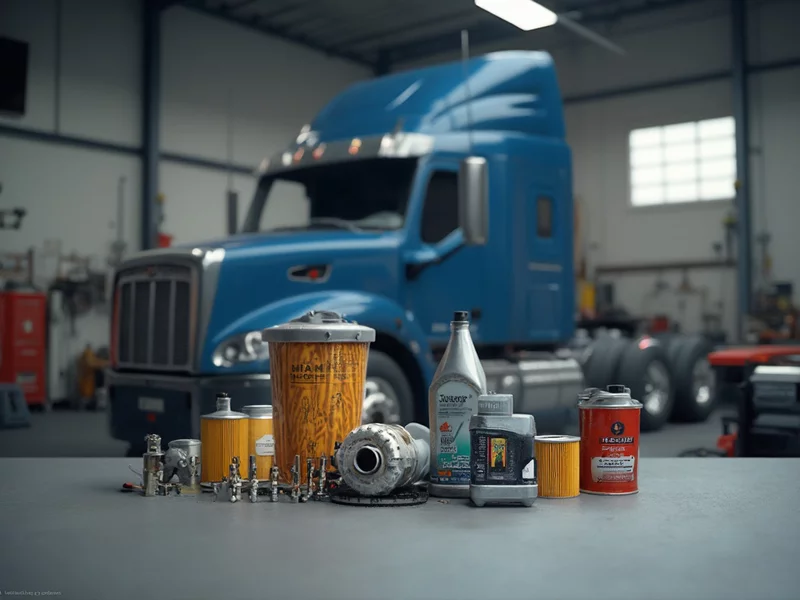
Oil and Filter Kits: Vital for engine longevity and optimal performance.
Upgrading Fuel Systems: Filters, pumps, and additives enhance fuel efficiency.
Air Intake and Exhaust Systems: Improve airflow for better engine performance.
Brake Components: Essential for safety and reliable stopping power.
Engine Additives: Help maintain engine health and performance.
Diesel Engine Oil: Critical for overall powertrain health.
Transmission Fluid: Regular changes are key to smooth shifting and longevity.
By investing in these products, you're setting your truck up for success, prolonging its lifespan and enhancing its efficiency. Remember, each component is a piece of the puzzle when it comes to maintaining your diesel truck!
Action Steps for Your Next Diesel Truck Maintenance Purchase
Now that you're equipped with knowledge on essential products, it's time to take action! Here's a handy checklist to guide your next maintenance purchase:
Assess your truck's current condition and identify any immediate needs.
Research reliable brands known for quality and performance.
Compare prices from trusted retailers to ensure you're getting a fair deal.
Consider purchasing kits to save money on bundled products.
Stay informed about maintenance by following resources like TorqueNest for updates and tips!
Taking these steps will ensure you’re well-prepared for your next maintenance session. Remember, proactive maintenance is the key to a reliable and efficient truck.
Where to Find Reliable Parts and Products
Trusted Retailers: Your Go-To Sources for Diesel Truck Parts
Finding reliable parts and products is crucial for any diesel truck owner. Trustworthy retailers can make a significant difference in your maintenance experience. Here's a list of some of the top sources you can rely on:
Local Dealerships: Often provide genuine parts with a guarantee.
Specialty Truck Parts Stores: Focused on heavy-duty products specifically designed for trucks.
Online Marketplaces: Websites like Amazon or eBay can offer a variety of options, but check reviews first!
Manufacturer Websites: Direct purchases often ensure authenticity and warranty benefits.
Always verify the credibility of the retailer before making a purchase to avoid counterfeit products that can harm your truck.
Online Resources for Product Reviews and Comparisons
Before purchasing, it's wise to consult online resources for product insights. Here are some valuable options you can explore:
Automotive Forums: Communities where truck owners share experiences and recommendations.
Review Websites: Dedicated platforms that offer detailed comparisons and ratings.
Social Media Groups: Join diesel truck-related groups to ask for feedback from fellow enthusiasts.
TorqueNest Blog: Keep an eye out for articles that provide in-depth reviews of products and tools!
Using these resources will empower you to make informed purchases and keep your truck in top shape.
Understanding the Importance of Genuine Parts vs. Aftermarket Options
The debate between genuine parts and aftermarket options is an important consideration for any truck owner. Here are some key points to keep in mind:
Genuine Parts: Typically offer better quality and reliability, as they are designed specifically for your truck model.
Aftermarket Parts: Often more affordable, but quality can vary widely. Make sure to research brands before buying.
Warranty Considerations: Genuine parts usually come with a manufacturer's warranty, providing peace of mind.
Compatibility: Genuine parts guarantee fit and function, while aftermarket parts may not always align perfectly.
Ultimately, the choice depends on your budget and willingness to compromise on quality versus cost. Whichever route you choose, ensuring the integrity of the products is essential for your truck's performance.
Recap of Key Points
Here is a quick recap of the important points discussed in the article:
Regular Maintenance: Essential for preventing major breakdowns and enhancing fuel efficiency.
Common Issues: Be vigilant about transmission slippage, coolant leaks, and fuel system failures.
Maintenance Products: Invest in oil and filter kits, upgraded fuel systems, and brake components for optimal performance.
Reliable Sources: Purchase parts from trusted retailers such as local dealerships and reputable online marketplaces.
Genuine vs. Aftermarket: Weigh the benefits of quality and reliability against cost when choosing parts for your truck.
Ethan Callahan
Ethan Callahan is a seasoned diesel mechanic with over a decade of experience in the heavy-duty trucking industry. His expertise spans engine diagnostics, brake systems, and powertrain maintenance. As a passionate advocate for truck operators and fleet managers, Ethan is dedicated to providing clear, actionable insights that keep trucks on the road. Through TorqueNest, he aims to empower truck drivers and mechanics with the knowledge and resources they need for effective maintenance and repairs.

TorqueNest is dedicated to empowering Australian truck drivers, fleet operators, and diesel mechanics with the knowledge and resources needed to keep heavy-duty trucks running strong. Our mission is to provide clear, actionable maintenance insights for effective repairs and sustained vehicle performance.
Regularly check your truck's tire pressure. Proper inflation improves fuel efficiency, extends tire life, and ensures safer handling on the road!
Don’t overlook your brake fluid. Checking its level and condition can prevent costly repairs and maintain optimal stopping power!
Inspect your truck's belts and hoses for cracks or wear. A small tear can lead to a roadside breakdown and significant downtime.
Keep your engine's air filter clean. A clogged filter reduces engine performance and increases fuel consumption.
Ensure your truck's lights are all functioning correctly. Visibility is crucial for safety, especially during long hauls or night driving.
Check your coolant levels regularly. Maintaining proper coolant ensures your engine operates at the right temperature, preventing overheating.
Don't forget to lubricate chassis components. Regular greasing reduces wear and tear, prolonging the life of critical parts.
Inspect your truck's exhaust system for leaks or damage. A faulty exhaust can affect engine performance and cabin air quality.
Clean your battery terminals. Corrosion can prevent your truck from starting and hinder its electrical system's performance.
Regularly check your truck's oil level and condition. Clean oil is vital for engine health and longevity.
Test your truck's wipers and washer fluid. Clear visibility is non-negotiable for safe driving in all weather conditions.
Listen for unusual noises. Any new squeaks, grinding, or rattles can indicate a developing problem that needs attention.
Keep your truck's interior clean and organized. A tidy cabin reduces distractions and promotes a safer, more comfortable driving environment.
Familiarize yourself with your truck's owner's manual. It contains crucial information about maintenance schedules and troubleshooting specific to your model.
Ensure your truck's emergency kit is fully stocked. Being prepared for unexpected roadside issues can save time and stress on any journey!