Air Brake System Maintenance Guide
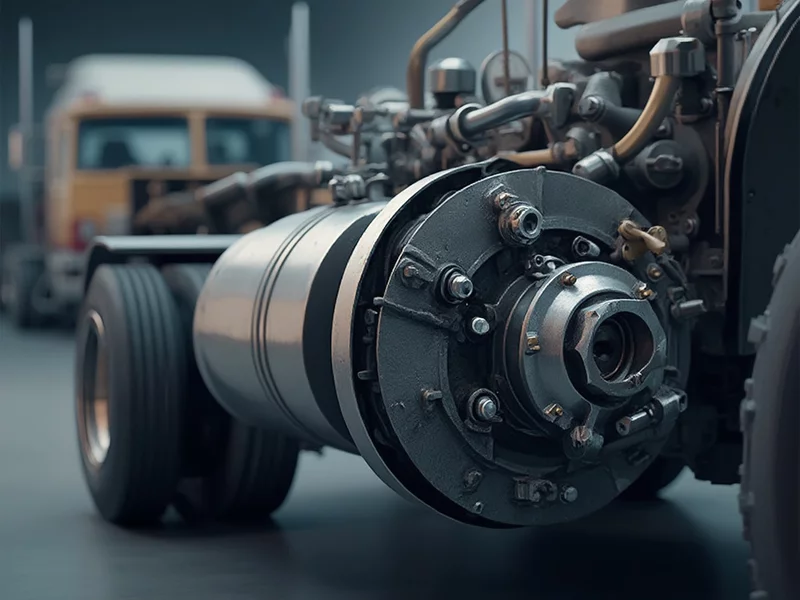
When it comes to maintaining heavy-duty trucks, understanding the intricacies of air brake systems is non-negotiable. Did you know that regular inspections can enhance safety and save costs in the long run? Let's explore the essential lessons from our guide on air brake systems.
What You Will Learn
- Familiarize yourself with key components like brake chambers and air compressors to identify early issues.
- Establish a habit of daily inspections to catch problems before they escalate.
- Create and adhere to a periodic maintenance schedule for thorough inspections.
- Document all maintenance activities to ensure compliance and assist with troubleshooting.
Key Components and Maintenance of Air Brake Systems
Understanding the core components and a structured maintenance approach is vital for the safety and efficiency of heavy-duty truck air brake systems.
Key Air Brake System Components
- • Brake Chambers
- • Slack Adjusters
- • Air Dryers & Separators
- • Air Compressors
- • S-cams, Shoes, Spring Brakes
Essential Maintenance Practices
- • Understand Components
- • Daily Inspections
- • Scheduled Maintenance
- • Document Everything
- • Proactive Approach
Understanding the Fundamentals of Air Brake Systems
When it comes to heavy-duty trucks, understanding the fundamentals of air brake systems is crucial for any fleet operator or driver. Air brakes are a vital component that ensures safety and efficiency on the road. They work by using compressed air to apply pressure to the brake components, allowing for effective stopping power, especially for large vehicles. In this section, we’ll explore what air brake systems are and how they function.
At TorqueNest, we believe that having a clear grasp of these systems not only helps in maintenance but also empowers drivers and mechanics to troubleshoot issues more effectively. Let’s dive deeper!
What is an Air Brake System and How Does it Work?
An air brake system uses compressed air to create the force needed for braking, making it highly effective for large trucks. The system is designed to maintain a constant pressure that can be easily controlled by the driver. When the brake pedal is engaged, air is released from the compressor into various components, ultimately leading to the actuation of the brakes. For a comprehensive overview of how these systems function, refer to the Rhode Island DMV's guide on air brakes.
- Compressed air is stored in tanks.
- When the brake pedal is pressed, air flows to the brake chambers.
- The pressure from the air forces the brake shoes against the drums, creating friction to stop the vehicle.
This efficient design ensures that the braking power is proportional to the air pressure applied, allowing for smooth and controlled stops.
Key Components of Air Brake Systems and Their Functions
To fully understand how air brake systems operate, let's look at their key components, each playing a significant role in the system's performance and reliability. You can find more detailed information on these components in the FMCSA's guide to brake safety systems.
- Brake Chambers
- Slack Adjusters
- Air Dryers and Moisture Separators
- Air Compressors
- S-cams, Brake Shoes, and Spring Brakes
- Relay Valves
- Brake Pedals
Each of these parts contributes to the overall functionality of the braking system, ensuring safety and efficiency on the road.
Brake Chambers: Types and Roles in Stopping Power
Brake chambers are essential because they convert the compressed air into mechanical force. When air enters the chamber, it pushes a diaphragm, which in turn moves the push rod to activate the brakes. There are various types of brake chambers, including service and spring brake chambers, each serving distinct functions in the braking process.
Understanding these types is important for maintenance and troubleshooting, as issues with the brake chambers can lead to significant braking failures.
Slack Adjusters: Ensuring Proper Brake Functionality
Slack adjusters are critical for maintaining the proper distance between the brake shoes and the brake drum. They automatically adjust the brake shoes' position as they wear down. If slack adjusters are malfunctioning, it can lead to uneven braking and increased wear on parts.
Checking these regularly can save you from costly repairs down the road!
Air Dryers and Moisture Separators: Preventing Moisture Issues
Moisture can harm brake components, leading to corrosion and reduced performance. Air dryers and moisture separators work to remove moisture from the compressed air before it reaches the brake system. Regularly inspecting these components ensures that moisture doesn’t compromise your system's integrity.
Remember, a dry system is a happy system!
Air Compressors: Their Importance in Brake Operation
The air compressor is the heart of the air brake system, producing the compressed air needed for braking. A well-functioning compressor can make all the difference in responsive braking and overall system efficiency. If the compressor fails, you may experience a loss of braking power, which is extremely dangerous.
Understanding Other Critical Parts: S-cams, Brake Shoes, and Spring Brakes
S-cams are responsible for the movement of the brake shoes when the brakes are applied. As the air pressure pushes the S-cam, it rotates and pushes the brake shoes against the drum. Brake shoes wear down over time and need to be monitored for proper thickness. Spring brakes, on the other hand, serve as a fail-safe, applying the brakes automatically if air pressure drops below a certain level. For more information on critical brake components, refer to the Government of Northwest Territories' air brake manual.
Relay Valves and Their Role in Pneumatic Braking
Relay valves enhance the performance of air brake systems by ensuring that the appropriate air pressure reaches the brake chambers in a timely manner. They are crucial for maintaining quick response times during braking, especially under heavy loads.
Brake Pedals and Their Connection to System Performance
The brake pedal is your direct connection to the air brake system. When you press down, you’re activating a series of components that work together to stop your vehicle. Ensuring that your brake pedal is functioning correctly is vital for safe operation.
Regular checks and maintenance of all components, including the brake pedal, can enhance safety and reliability on the road.
Pro Tip
Did you know? Regularly checking your air brake system can prevent major failures. Make it a habit to inspect your slack adjusters and brake chambers during routine maintenance. Identifying issues early can save you from costly repairs and ensure your truck's braking performance remains reliable.
Frequently Asked Questions (FAQs) about Air Brake Systems
What is the primary function of an air brake system in heavy-duty trucks?
The primary function of an air brake system is to use compressed air to apply pressure to brake components, enabling effective stopping power for large vehicles, ensuring safety and efficiency on the road.
What are the key components of an air brake system?
Key components include brake chambers, slack adjusters, air dryers and moisture separators, air compressors, S-cams, brake shoes, spring brakes, relay valves, and the brake pedal.
How do brake chambers contribute to stopping power?
Brake chambers convert compressed air into mechanical force. When air enters a chamber, it pushes a diaphragm, which then moves a push rod to activate the brakes.
Why are slack adjusters important for brake functionality?
Slack adjusters maintain the proper distance between the brake shoes and the brake drum, automatically adjusting as the shoes wear down. Proper adjustment ensures even braking and prevents excessive wear.
What role do air dryers and moisture separators play?
Air dryers and moisture separators remove moisture from the compressed air before it reaches the brake system, preventing corrosion and maintaining optimal performance.
What are the implications if an air compressor fails?
If the air compressor fails, it can lead to a loss of braking power, which is extremely dangerous, as it is responsible for producing the compressed air needed for braking.
Wrapping Up: The Importance of Air Brake System Maintenance
As we conclude our discussion on air brake systems, it's crucial to recognize the importance of maintenance. Regular upkeep of air brake components can significantly enhance both safety and performance. By understanding how these systems work and what to look for during inspections, fleet operators are better equipped to avoid costly repairs and ensure that their trucks operate smoothly.
To summarize, we discussed the key components of air brake systems, including brake chambers, slack adjusters, and air compressors. Additionally, we highlighted the significance of routine inspections and maintenance schedules. Keeping these elements in mind can help extend the lifespan of your trucks and promote a safer driving experience.
Summary of Key Points on Air Brake Components and Maintenance
- Understand the components: Familiarize yourself with the key parts of the air brake system, such as brake chambers and compressors, to identify issues early.
- Daily inspections: Make it a habit to perform pre-trip checks on air brakes to catch any problems before they escalate.
- Scheduled maintenance: Create and adhere to periodic maintenance schedules, covering weekly, monthly, and annual inspections.
- Document everything: Keeping thorough records of maintenance helps ensure compliance with DOT regulations and aids in future troubleshooting.
By implementing these practices, fleet operators will not only enhance safety but also improve the overall performance of their trucks. Remember, well-maintained air brake systems are essential for the reliability of your fleet!
Encouraging Fleet Operators to Prioritize Maintenance Practices
We all know that in the trucking business, time is money. Therefore, making maintenance a priority is not just about compliance—it's a strategic move for efficiency. When you prioritize air brake system maintenance, you're investing in the longevity of your vehicles and the safety of your drivers. I encourage all fleet operators to take a proactive approach and embed maintenance practices into their daily routines.
By fostering a culture of safety and accountability within your team, you're setting the stage for improved operational efficiency. Don't wait for issues to arise; take charge of your air brake system's health right now!
Call to Action: Start Your Comprehensive Maintenance Plan Today
Now that you have a clear understanding of the importance of air brake system maintenance, it's time to take action! At TorqueNest, we are dedicated to empowering truck drivers and fleet operators with the knowledge they need. Start by creating a comprehensive maintenance plan tailored to your fleet's needs. Incorporate daily inspections, scheduled check-ups, and thorough documentation.
Remember, a well-maintained air brake system translates to safer roads and more reliable vehicles. So, let’s get started on this essential journey of maintenance today! Your trucks—and your drivers—deserve it!
Recap of Key Points
Here is a quick recap of the important points discussed in the article:
- Understand the components: Familiarize yourself with key parts such as brake chambers and compressors to identify issues early.
- Daily inspections: Perform pre-trip checks on air brakes to catch any problems before they escalate.
- Scheduled maintenance: Adhere to periodic maintenance schedules that include weekly, monthly, and annual inspections.
- Document everything: Keep thorough records of maintenance to ensure compliance with DOT regulations and assist in future troubleshooting.

Ethan Callahan
Ethan Callahan is a seasoned diesel mechanic with over a decade of experience in the heavy-duty trucking industry. His expertise spans engine diagnostics, brake systems, and powertrain maintenance. As a passionate advocate for truck operators and fleet managers, Ethan is dedicated to providing clear, actionable insights that keep trucks on the road. Through TorqueNest, he aims to empower truck drivers and mechanics with the knowledge and resources they need for effective maintenance and repairs.
Popular Posts
Why Hire a Parramatta Web Design Company?
![]() A business’s website is its always-open virtual storefront that connects with customers, showc
A business’s website is its always-open virtual storefront that connects with customers, showc
 A business’s website is its always-open virtual storefront that connects with customers, showc
Reliable TorqueNest Diesel Repair Guides
![Where to Find Reliable TorqueNest Tutorials and Resources for Diesel Engine Repair]() Have you ever considered how empowered you could feel by enhancing your diesel engine maintenance sk
Have you ever considered how empowered you could feel by enhancing your diesel engine maintenance sk
 Have you ever considered how empowered you could feel by enhancing your diesel engine maintenance sk
Using Diesel Tools for On-Road Diagnostics
![Step-by-Step Guide to Using Diesel Diagnostic Tools for Engine Troubleshooting on the Road]() Investing in quality diagnostic tools can significantly enhance your roadside troubleshooting experi
Investing in quality diagnostic tools can significantly enhance your roadside troubleshooting experi
 Investing in quality diagnostic tools can significantly enhance your roadside troubleshooting experi
Selecting Heavy-Duty Truck Tool Kits
![How to Choose the Best Heavy-Duty Truck Repair Tool Kit for Fleet Operators]() When it comes to keeping your fleet running smoothly, understanding the specific repair needs of eac
When it comes to keeping your fleet running smoothly, understanding the specific repair needs of eac
 When it comes to keeping your fleet running smoothly, understanding the specific repair needs of eac
