Diagnosing Heavy-Duty Truck Brake Issues
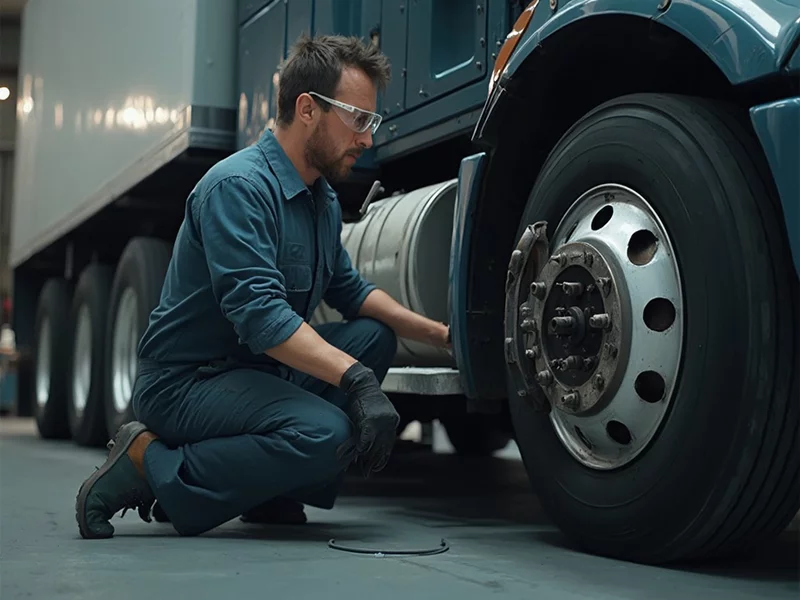
Have you ever noticed the subtle but crucial components that keep your heavy-duty truck safe on the road? Understanding your truck's brake system not only enhances safety but also ensures optimal performance. Dive into the essential elements of brake systems and learn how to identify potential issues before they escalate.
What You Will Learn
- Key components of heavy-duty truck brake systems include brake pads, rotors, calipers, and brake fluid.
- Air brake systems provide reliable stopping power for heavy-duty trucks, while hydraulic brakes are typically used in lighter vehicles.
- Common symptoms of brake problems include brake fade, unusual noises, pulling to one side, overheating, and vibrations during braking.
- Staying compliant with DOT regulations ensures brake systems are properly maintained and inspected, minimizing risks on the road.
Key Components & Brake System Differences in Heavy-Duty Trucks
Understanding the fundamental parts of a truck's brake system and how air brakes differ from hydraulic brakes is crucial for safety and efficiency. This visual breaks down these core aspects.
Understanding Heavy-Duty Truck Brake Systems
As a seasoned diesel mechanic, I know that understanding your truck’s brake system is essential for both safety and efficiency on the road. Heavy-duty truck brake systems are complex, but breaking them down into their key components makes things easier. By familiarizing yourself with these components, you can spot potential issues early and keep your rig running smoothly.
In this section, we will dive into the critical parts involved in brake functionality, the differences between air and hydraulic brakes, and common symptoms that indicate brake problems.
Components of Heavy-Duty Truck Brakes
Key Parts Involved in Brake Functionality
To appreciate how heavy-duty truck brakes work, it’s vital to know the main components involved:
- Brake Pads: These press against the rotors to create the friction needed to stop the truck.
- Rotors: The discs that rotate with the wheels, where the brake pads make contact.
- Calipers: These house the brake pads and apply pressure to them when braking.
- Brake Fluid: This hydraulic fluid transfers force from the brake pedal to the brake components.
Each of these parts plays a crucial role in ensuring your truck stops safely and effectively. Regular inspection can help prolong their lifespan and maintain optimal performance.
Overview of Air Brake Systems and Their Importance
Air brake systems are common in heavy-duty trucks due to their reliability and effectiveness. They utilize compressed air to operate, which provides consistent stopping power. These systems are particularly beneficial for large vehicles as they can handle the increased stopping demands. Understanding the air brake system is essential for any truck operator since proper maintenance can prevent catastrophic failures.
In addition, air brakes often feature components like air compressors, reservoirs, and valves, all of which work together to maintain effective braking performance.
Hydraulic Brakes: How They Differ from Air Brakes
In contrast to air brakes, hydraulic brakes use fluid pressure to operate. This fluid is typically brake fluid, which is why it's crucial to keep it at the proper level and in good condition. Hydraulic systems are typically found in lighter trucks and vehicles, but they can also be present in some heavy-duty applications.
The main difference lies in their response time and maintenance needs. Hydraulic brakes may require more frequent fluid changes compared to air brakes, which rely on regular air system checks.
Understanding Brake Pads, Rotors, and Drums
Brake pads and rotors are often discussed, but brake drums also play an important role in many trucking applications. Drums are typically found in rear brake systems and work with brake shoes to provide stopping power. Understanding where each component fits within your truck’s braking system is key to effective diagnostics and repairs.
Regularly checking the condition of these parts can help prevent issues like worn pads or warped rotors, which can lead to decreased braking efficiency and increased stopping distances.
Common Symptoms Indicating Brake Problems
Being able to recognize the signs of brake trouble can save you time and money. Here are some common symptoms that indicate potential issues:
- Brake Fade: A noticeable decrease in braking performance, often due to overheating.
- Unusual Noises: Grinding or squeaking can indicate worn brake pads or other issues.
- Pulling to One Side: This can signal uneven brake wear or issues with the brake line.
- Overheating: Excessive heat can damage brake components, leading to brake failure.
- Vibration During Braking: This could be due to warped rotors or other alignment issues.
If you notice any of these symptoms, it’s critical to take action immediately. Ignoring them may lead to more severe problems down the line.
Identifying Brake Fade and Its Causes
Brake fade occurs when brakes lose their effectiveness due to overheating, often after prolonged use, like during downhill driving. This is particularly problematic for heavy-duty trucks, as it can lead to a dangerous situation if not addressed. To combat brake fade, consider employing techniques such as engine braking and regular maintenance checks to ensure your system is functioning optimally.
Understanding the causes of brake fade can help you prevent it from becoming a serious issue, so keep an eye on your brake temperatures and wear levels!
Understanding Unusual Noises While Braking
Have you ever heard a grinding or squeaking noise when you apply the brakes? These sounds are often indicators that your brake pads are worn down and require replacement. Unusual noises can also stem from debris caught in the brakes or issues with the brake rotors. Always pay attention to these sounds, as they can provide early warnings of potential problems.
Regular inspections can help you catch these issues before they become serious concerns, ensuring a smoother ride!
Recognizing Pulling to One Side During Braking
If you notice your truck pulling to one side when braking, it’s important to investigate immediately. This can signify uneven brake wear or issues with your brake lines. Ignoring this symptom can lead to more severe braking issues and potential accidents. Regular checks can help you identify and address these problems before they escalate.
Signs of Overheating and Air Leakage
Overheating brakes can signify severe issues, including the possibility of a brake failure. Signs include a burning smell or a noticeable decrease in braking effectiveness. Additionally, air leakage in an air brake system can lead to immediate braking failure. Regular maintenance and inspections are crucial to catching these issues early.
Vibration During Braking: Causes and Solutions
Experiencing vibration while braking can be caused by warped rotors or misaligned components in the brake system. It’s essential to diagnose these issues promptly, as they can lead to uneven wear and further complications. If you notice vibrations, have your brake system inspected as soon as possible to ensure safe driving.
Pro Tip
To maximize the lifespan of your heavy-duty truck's brake system, schedule regular maintenance checks that include inspecting brake pads, rotors, and fluid levels. This proactive approach not only ensures safety but also saves you from costly repairs down the line.
Ensuring Brake Safety and Compliance
When it comes to heavy-duty truck operations, ensuring brake safety and compliance is not just a best practice—it’s essential for keeping you and other road users safe. Regulatory bodies, such as the Department of Transportation (DOT), have established specific guidelines to ensure that brake systems are functioning properly and maintained at high standards.
Understanding these regulations can seem daunting, but I’m here to break it down for you! Regular compliance checks are crucial, and having a solid grasp of what’s required can make all the difference.
Understanding Regulatory Compliance for Brake Systems
As a truck driver or fleet manager, it's vital to stay informed about the DOT brake inspection regulations. These regulations outline the standards that must be met for brake systems, covering everything from the components used to how often inspections should occur.
- Periodic inspections to check for wear and tear
- Documentation of all inspection results
- Proper maintenance of necessary braking components
By adhering to these regulations, you ensure that your truck not only remains compliant but also operates safely on the road. Remember, the goal is to minimize risks and enhance performance!
Maintaining Compliance Through Regular Inspections
Regular inspections are the backbone of maintaining compliance with DOT regulations. Scheduling these checks often prevents minor issues from escalating into major problems. Here’s a quick checklist to help you stay on track:
- Daily pre-trip inspections for visible issues
- Monthly detailed inspections of brake components
- Annual professional inspections for compliance verification
The Commercial Vehicle Safety Alliance (CVSA) Brake Safety Week is an example of concentrated enforcement and educational efforts that highlight the importance of proper brake maintenance and compliance, encouraging drivers and carriers to prioritize these inspections. By sticking to this schedule, you can catch potential brake problems early, ensuring that your truck is safe and compliant at all times.
Importance of Safety Inspections in Fleet Management
If you manage a fleet of heavy-duty trucks, safety inspections are even more critical. They not only protect drivers but also safeguard your investment in your fleet. Research from the National Transportation Library (NTL) highlights that regular inspections can help identify:
- Potential safety hazards that could lead to accidents
- Components that are nearing the end of their service life
- Operational inefficiencies that may impact performance
Being proactive with safety inspections not only keeps your drivers safe but also enhances the overall efficiency of your fleet. At TorqueNest, we emphasize the importance of these practices to keep your trucks running strong and compliant.
Frequently Asked Questions about Heavy-Duty Truck Brake Systems
- What are the key components of a heavy-duty truck brake system?
- The key components include brake pads, rotors, calipers, and brake fluid. Air brake systems also feature air compressors, reservoirs, and valves, while hydraulic systems rely on fluid pressure.
- What is the main difference between air brakes and hydraulic brakes in heavy-duty trucks?
- Air brakes use compressed air to operate and are common in large heavy-duty trucks for consistent stopping power. Hydraulic brakes use fluid pressure and are typically found in lighter trucks or some heavy-duty applications, often requiring more frequent fluid changes.
- How can I identify common brake problems in my heavy-duty truck?
- Common symptoms include brake fade (decreased performance due to overheating), unusual noises (grinding or squeaking), the truck pulling to one side while braking, brake overheating (burning smell, decreased effectiveness), and vibrations during braking (warped rotors).
- Why are regular inspections important for heavy-duty truck brake systems?
- Regular inspections are crucial for safety, efficiency, and regulatory compliance. They help identify potential issues like worn pads, warped rotors, or air leaks early, preventing minor problems from escalating into major failures and ensuring adherence to DOT regulations.
- What are DOT brake inspection regulations, and why are they important?
- DOT brake inspection regulations are guidelines set by the Department of Transportation to ensure heavy-duty truck brake systems meet specific safety standards. Adhering to these regulations through periodic inspections, proper maintenance, and documentation minimizes risks, enhances road safety, and prevents costly penalties.
Recap of Key Points
Here is a quick recap of the important points discussed in the article:
- Key Components: Understand the vital parts of heavy-duty truck brakes, including brake pads, rotors, calipers, and brake fluid.
- Air vs. Hydraulic Brakes: Recognize the differences between air and hydraulic brake systems, including their maintenance needs and operational characteristics.
- Common Brake Issues: Be aware of symptoms indicating brake problems, such as brake fade, unusual noises, and vibrations during braking.
- Regular Inspections: Conduct daily pre-trip and monthly detailed inspections to ensure compliance with safety regulations and maintain performance.
- Recognizing Signs of Trouble: Learn to identify signs of overheating, pulling to one side, and other warning indicators to prevent serious issues.

Ethan Callahan
Ethan Callahan is a seasoned diesel mechanic with over a decade of experience in the heavy-duty trucking industry. His expertise spans engine diagnostics, brake systems, and powertrain maintenance. As a passionate advocate for truck operators and fleet managers, Ethan is dedicated to providing clear, actionable insights that keep trucks on the road. Through TorqueNest, he aims to empower truck drivers and mechanics with the knowledge and resources they need for effective maintenance and repairs.
Popular Posts
Why Hire a Parramatta Web Design Company?
![]() A business’s website is its always-open virtual storefront that connects with customers, showc
A business’s website is its always-open virtual storefront that connects with customers, showc
 A business’s website is its always-open virtual storefront that connects with customers, showc
Reliable TorqueNest Diesel Repair Guides
![Where to Find Reliable TorqueNest Tutorials and Resources for Diesel Engine Repair]() Have you ever considered how empowered you could feel by enhancing your diesel engine maintenance sk
Have you ever considered how empowered you could feel by enhancing your diesel engine maintenance sk
 Have you ever considered how empowered you could feel by enhancing your diesel engine maintenance sk
Using Diesel Tools for On-Road Diagnostics
![Step-by-Step Guide to Using Diesel Diagnostic Tools for Engine Troubleshooting on the Road]() Investing in quality diagnostic tools can significantly enhance your roadside troubleshooting experi
Investing in quality diagnostic tools can significantly enhance your roadside troubleshooting experi
 Investing in quality diagnostic tools can significantly enhance your roadside troubleshooting experi
Selecting Heavy-Duty Truck Tool Kits
![How to Choose the Best Heavy-Duty Truck Repair Tool Kit for Fleet Operators]() When it comes to keeping your fleet running smoothly, understanding the specific repair needs of eac
When it comes to keeping your fleet running smoothly, understanding the specific repair needs of eac
 When it comes to keeping your fleet running smoothly, understanding the specific repair needs of eac
