Hard Starting & Loss of Power
Diagnosing Diesel Engine Issues Simply
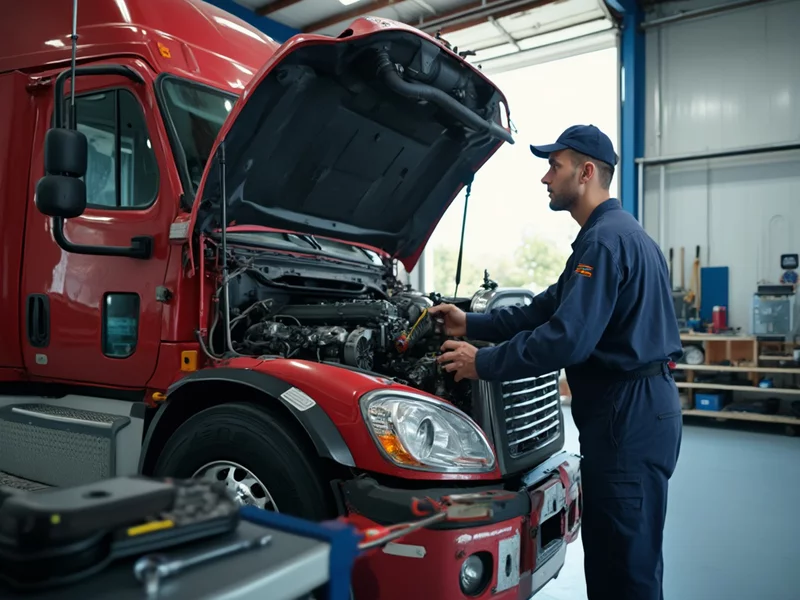
Did you know that recognizing diesel engine problems early can save you significant repair costs and downtime? Understanding these issues is essential for every truck driver. Here are the key takeaways from our exploration of diesel engine care.
What You Will Learn
- Common diesel engine issues include hard starting, loss of power, excessive smoke, and overheating.
- Unusual noises and warning lights can be early indicators of internal engine problems.
- Fuel quality significantly impacts engine performance; always opt for high-quality diesel to prevent issues.
- Regular maintenance practices, such as oil changes and fuel filter inspections, are crucial for avoiding future problems.
Common Diesel Engine Problems and Proactive Maintenance
Understanding and addressing the most frequent diesel engine issues and implementing proactive maintenance can significantly reduce downtime and repair costs.
Common Diesel Engine Problems
Excessive Smoke (various colors)
Overheating (cooling system failures)
Symptoms & Early Detection
Unusual Noises (knocking, grinding)
Warning Lights (dashboard indicators)
Fluid Leaks & Performance Changes
Proactive Maintenance Habits
Routine Oil & Filter Changes
Inspect Air Intake & Exhaust
Maintain Detailed Service Log
Impact of Fuel Quality
Contaminants Damage Injectors
Moisture Leads to Corrosion
Quality Additives Improve Performance
Understanding Diesel Engine Problems: Key Insights for Truck Drivers
As a seasoned diesel mechanic with over a decade of experience, I've seen many truck drivers face common diesel engine problems that can lead to costly repairs and downtime. Understanding these issues can save you both time and money on the road. Below, I’ll cover some frequent problems that you might encounter, such as hard starting, loss of power, excessive smoke, and overheating. Recognizing these symptoms early is crucial for effective maintenance!
Common Diesel Engine Issues and Their Impact
Diesel engines are robust, but they can develop issues that affect their performance. According to the U.S. Department of Energy, understanding the fundamental principles of diesel engines is key to diagnosing these issues. Here are some common problems you might encounter:
- Hard Starting: This can be due to several factors, including battery issues or faulty glow plugs.
- Loss of Power: A sudden drop in engine power may signal fuel delivery or air intake problems.
- Excessive Smoke: Different colors of smoke can indicate various issues, such as incomplete combustion or oil leaks. For more information on exhaust-related concerns, the OSHA website provides details on diesel exhaust and health hazards.
- Overheating: This can result from cooling system failures or clogged exhausts, and it can be especially damaging to engine components.
Understanding these problems and their implications is essential for maintaining your truck’s performance. Addressing these issues promptly can save you from unexpected breakdowns while on the road!
Recognizing Symptoms: How to Identify Diesel Engine Problems
Being able to recognize the warning signs of diesel engine problems is vital for truck drivers. Here’s what to look for:
- Unusual Noises: Listen for knocking or grinding sounds, which can indicate internal engine damage.
- Warning Lights: Pay attention to dashboard indicators; they often signal issues before they escalate.
- Fluid Leaks: Spotting oil, coolant, or fuel leaks can help you catch a problem early.
- Changes in Performance: If your truck isn’t accelerating as it should or is consuming more fuel, it’s time to investigate.
By staying alert to these symptoms, you can address issues before they turn into major headaches. Remember, early detection is your best ally in maintaining your truck’s health!
Impact of Fuel Quality on Diesel Engine Performance
The quality of diesel fuel plays a significant role in how well your engine performs. Poor-quality fuel can lead to a range of problems, including clogged fuel filters and injector issues. This is particularly true with common rail injection systems, which are sensitive to fuel contaminants. The Society of Automotive Engineers (SAE) regularly publishes detailed technical papers on diesel engine advancements and fuel quality impacts.
- Contaminants: Impurities in fuel can damage injectors and cause inefficient combustion.
- Moisture: Water in diesel fuel can lead to corrosion and engine misfires.
- Additives: Using quality additives can improve performance and protect your engine from wear.
Investing in high-quality diesel fuel not only enhances performance but also prolongs your engine's lifespan. Make it a habit to source your fuel from reliable suppliers to keep your truck running strong!
Pro Tip
To maintain optimal diesel engine performance, always use high-quality fuel from reputable suppliers. This not only prevents common issues like clogged filters but also enhances combustion efficiency, resulting in better fuel economy and engine longevity. Regularly check for fuel contaminants and consider adding quality diesel additives to further protect your engine.
Summarizing Key Troubleshooting Insights for Diesel Engines
In our exploration of diesel engine problems, we've highlighted essential steps for diagnosing issues effectively. Understanding the mechanics of your engine and the common challenges it faces empowers you as a truck driver. Early detection of problems like fuel delivery issues, exhaust blockages, or malfunctioning components can prevent major breakdowns and costly repairs.
By keeping an eye out for common symptoms and utilizing the right diagnostic tools, you can tackle engine troubles before they escalate. Remember, it's not just about fixing problems; it's about maintaining a proactive approach to engine care that keeps your truck running smoothly.
Encouraging Proactive Maintenance Habits
Regular maintenance is the key to maximizing truck performance and longevity. By adopting proactive maintenance habits, you can significantly reduce the risk of encountering engine problems down the road. Here’s a quick list of effective maintenance practices that can help you:
- Perform routine oil changes as per manufacturer recommendations.
- Inspect and replace fuel filters regularly to ensure proper fuel delivery.
- Check and maintain proper air intake and exhaust system functionality.
- Regularly inspect glow plugs and turbocharger performance.
- Maintain a detailed log of all maintenance activities for future reference.
Taking these steps not only enhances your truck's performance but also instills confidence in your driving. It's important to stay informed and proactive, especially in the heavy-duty trucking industry.
Frequently Asked Questions (FAQs)
- What are the most common diesel engine problems?
- The most common issues include hard starting, loss of power, excessive smoke (of various colors), and overheating. These often stem from issues with fuel delivery, air intake, or the cooling system.
- How can I identify early signs of a diesel engine problem?
- Look out for unusual noises such as knocking or grinding, illuminated warning lights on your dashboard, fluid leaks (oil, coolant, fuel), and noticeable changes in your truck's performance, such as reduced acceleration or increased fuel consumption.
- Why is fuel quality important for diesel engines?
- Poor fuel quality can lead to significant problems, including clogged fuel filters, damaged injectors due to contaminants, and corrosion from moisture. High-quality fuel ensures efficient combustion and extends the life of your engine.
- What proactive maintenance steps can I take to prevent diesel engine issues?
- Regular maintenance is crucial. This includes routine oil and filter changes, inspecting air intake and exhaust systems, checking glow plugs and turbocharger performance, and maintaining a detailed service log. These habits help prevent minor issues from escalating.
- Can early detection of engine problems save money?
- Absolutely. Identifying and addressing problems like hard starting or fluid leaks early can prevent them from causing more severe damage, which can lead to costly repairs and extended downtime.
Call to Action: Taking the Next Steps in Diesel Engine Care
Now that you have the tools and knowledge to troubleshoot diesel engine problems, it's time to take action! I invite you to apply these techniques during your next routine check. Share your troubleshooting experiences with fellow truck drivers—your insights could help someone else facing similar issues! If you have questions or want to dive deeper into any specific topic, don't hesitate to reach out. At TorqueNest, we're here to support you in every mile of your journey.
Recap of Key Points
Here is a quick recap of the important points discussed in the article:
- Common Diesel Engine Issues: Be aware of hard starting, loss of power, excessive smoke, and overheating.
- Recognizing Symptoms: Look for unusual noises, warning lights, fluid leaks, and changes in performance.
- Fuel Quality Matters: Invest in high-quality diesel fuel to prevent problems like clogged filters and injector issues.
- Proactive Maintenance: Regular oil changes, fuel filter inspections, and maintenance logs are essential for engine health.
- Early Detection: Identifying and addressing issues early can save you from costly repairs and downtime.

Ethan Callahan
Ethan Callahan is a seasoned diesel mechanic with over a decade of experience in the heavy-duty trucking industry. His expertise spans engine diagnostics, brake systems, and powertrain maintenance. As a passionate advocate for truck operators and fleet managers, Ethan is dedicated to providing clear, actionable insights that keep trucks on the road. Through TorqueNest, he aims to empower truck drivers and mechanics with the knowledge and resources they need for effective maintenance and repairs.
Popular Posts
Why Hire a Parramatta Web Design Company?
![]() A business’s website is its always-open virtual storefront that connects with customers, showc
A business’s website is its always-open virtual storefront that connects with customers, showc
 A business’s website is its always-open virtual storefront that connects with customers, showc
Reliable TorqueNest Diesel Repair Guides
![Where to Find Reliable TorqueNest Tutorials and Resources for Diesel Engine Repair]() Have you ever considered how empowered you could feel by enhancing your diesel engine maintenance sk
Have you ever considered how empowered you could feel by enhancing your diesel engine maintenance sk
 Have you ever considered how empowered you could feel by enhancing your diesel engine maintenance sk
Using Diesel Tools for On-Road Diagnostics
![Step-by-Step Guide to Using Diesel Diagnostic Tools for Engine Troubleshooting on the Road]() Investing in quality diagnostic tools can significantly enhance your roadside troubleshooting experi
Investing in quality diagnostic tools can significantly enhance your roadside troubleshooting experi
 Investing in quality diagnostic tools can significantly enhance your roadside troubleshooting experi
Selecting Heavy-Duty Truck Tool Kits
![How to Choose the Best Heavy-Duty Truck Repair Tool Kit for Fleet Operators]() When it comes to keeping your fleet running smoothly, understanding the specific repair needs of eac
When it comes to keeping your fleet running smoothly, understanding the specific repair needs of eac
 When it comes to keeping your fleet running smoothly, understanding the specific repair needs of eac
