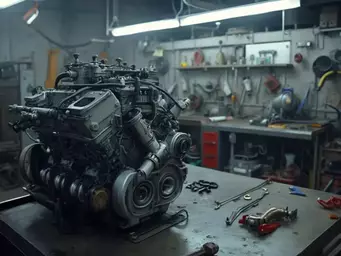
Key Powertrain Components
- Engine
- Transmission
- Differential
Each part is interdependent for optimal truck operation.
Understanding the intricacies of fleet truck powertrains is vital to maintaining efficiency and avoiding costly repairs. What if you could identify issues before they escalate? Let’s explore the essential elements of powertrain maintenance that every fleet manager and truck operator should know.
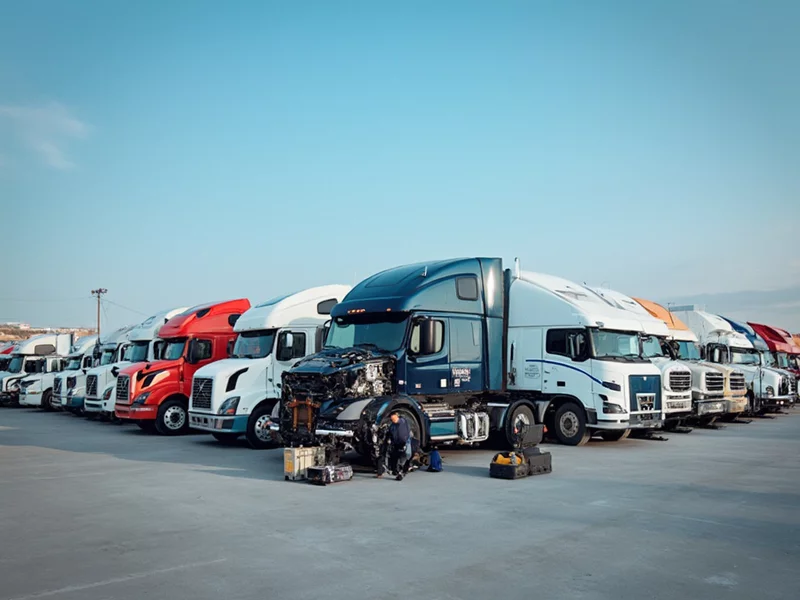
Understanding the core components of a truck's powertrain and implementing consistent maintenance are crucial for fleet longevity and efficiency. Below is a visual representation of these critical areas.
Each part is interdependent for optimal truck operation.
Proactive identification prevents costly repairs.
Early detection prevents major breakdowns.
Consistent checks extend vehicle lifespan.
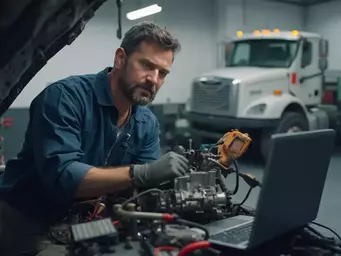
As a seasoned diesel mechanic, I’ve seen firsthand how powertrain failures can disrupt fleet operations. Understanding the powertrain is crucial for any truck operator or fleet manager. The powertrain includes the engine, transmission, and differential, all working together to deliver the power needed to drive a heavy-duty truck efficiently. When any component fails, it can lead to expensive repairs and downtime. Let's dive deeper into why the powertrain is so critical.
The powertrain is essentially the heart of your truck. It converts fuel into motion, allowing you to transport goods efficiently. Without a well-functioning powertrain, your fleet faces operational challenges that can impact your bottom line. This is why regular maintenance and understanding its components are vital to keeping your trucks running smoothly. For more comprehensive insights into vehicle safety and maintenance, you can refer to resources from the National Highway Traffic Safety Administration (NHTSA).
Each of these components plays a vital role in vehicle operation, and if one fails, it can lead to significant issues. As I’ve learned over the years at TorqueNest, understanding these components is your first step in preventing breakdowns.
Powertrain failures can stem from a variety of factors, often leading to unexpected repairs. Common causes include wear and tear, improper maintenance, and environmental conditions. Here are some of the most frequent culprits:
By identifying these issues early, truck operators can avoid expensive repairs and keep their fleets running efficiently. It’s always better to be proactive rather than reactive! Further information on maintaining heavy-duty vehicles can be found in technical reports like the 21st Century Truck Partnership's Safety Technology and Systems Roadmap.
Recognizing the early signs of powertrain failure is essential for maintaining your fleet's health. If you notice any of the following symptoms, it’s time to investigate further:
Paying attention to these warning signs can help you address issues before they lead to a breakdown. At TorqueNest, we emphasize the importance of routine checks to prevent these scenarios.
Let’s take a closer look at the three key components of the powertrain. Each part has unique functions but is interdependent on the others:
Being familiar with these components not only helps you spot potential problems but also aids in planning effective maintenance strategies. Remember, the better you understand your truck, the more proactive you can be in preventing powertrain failures.
Did you know? Regularly checking and maintaining your truck's fluid levels can significantly extend the life of your powertrain components. Ensure that engine oil, transmission fluid, and differential oil are at optimal levels to prevent overheating and excessive wear.
Keeping your fleet trucks in top condition is not just about fixing problems as they arise; it’s about implementing preventive maintenance practices that can save time and money in the long run. By focusing on routine maintenance tasks, you can significantly reduce the risk of powertrain failures and enhance the longevity of your vehicles. Here are some essential practices that I recommend to all fleet managers and truck drivers.
One of the simplest yet most effective maintenance tasks is performing regular oil changes. Oil lubricates the engine and helps prevent wear and tear. Neglecting this can lead to engine failure, which is costly and time-consuming to repair.
By adhering to a consistent schedule, you can ensure that your engine runs smoothly and efficiently, allowing your trucks to perform at their best!
Tires are often the most overlooked component of truck maintenance. Regular tire rotations help ensure even wear and extend their lifespan. Additionally, brake inspections are crucial for safety and performance.
Addressing these issues proactively not only enhances safety but also improves fuel economy—something every fleet manager can appreciate!
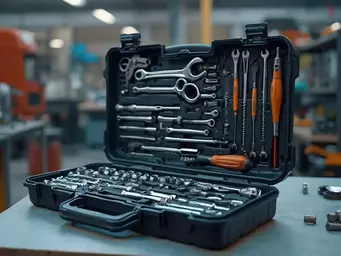
Establishing a routine for daily inspections can catch small issues before they escalate into major problems. Creating a checklist can help ensure nothing is missed during these inspections. Regulations and guidelines for such inspections are often provided by organizations like the Federal Motor Carrier Safety Administration (FMCSA).
By making daily inspections part of your routine, you empower your drivers to take ownership of their vehicles, ultimately leading to a well-maintained fleet!
Having a structured maintenance schedule is crucial for keeping your fleet on the road. It ensures that all vehicles receive the necessary care at the right intervals, reducing the likelihood of unexpected breakdowns.
Consistency in maintenance is key! It helps you catch wear and tear early, thus avoiding costly repairs. A good maintenance schedule should take into account:
By keeping these factors in mind, you can greatly improve the reliability of your fleet trucks.
Tracking maintenance activities is essential for evaluating your fleet’s performance over time. Maintaining accurate service records allows you to identify patterns and anticipate future needs.
This practice not only keeps your fleet running smoothly but also helps in budget forecasting and resource allocation.
A truck's powertrain encompasses the engine, transmission, and differential. These components work together to convert fuel into motion, driving the vehicle.
Common causes include a lack of proper lubrication, contaminated fluids (such as oil or transmission fluid), and overloading the truck beyond its recommended weight capacity.
Key indicators include unusual noises (like grinding or whining), visible fluid leaks under the vehicle, and difficulty shifting gears.
Essential tasks include regular oil changes and fluid checks, consistent tire rotations, brake inspections, and daily vehicle inspections using a comprehensive checklist.
A structured maintenance schedule ensures all vehicles receive timely care, helps identify wear and tear early, prevents costly unexpected breakdowns, and extends the overall lifespan and reliability of the fleet.
Here is a quick recap of the important points discussed in the article:
Ethan Callahan is a seasoned diesel mechanic with over a decade of experience in the heavy-duty trucking industry. His expertise spans engine diagnostics, brake systems, and powertrain maintenance. As a passionate advocate for truck operators and fleet managers, Ethan is dedicated to providing clear, actionable insights that keep trucks on the road. Through TorqueNest, he aims to empower truck drivers and mechanics with the knowledge and resources they need for effective maintenance and repairs.